The Sinking City 2 Review
The Sinking City 2 is like a mirror for developer Frogwares. The protagonist Calvin Rafferty fights to his last breath to try to survive and reunite with his loved one, ignoring the sirens telling him to evacuate. It's a fight for survival, but more than that, it's a desire to remain hopeful in the face of relentless heartbreak and terror.
Faced with a difficult decision, Ukrainian developer Frogwares could continue working on their inventive investigative titles like the Sherlock Holmes series and the original The Sinking City, or take a big gamble to develop The Sinking City 2 in a popular genre that they've never attempted to make before: third-person, survival horror. All whilst surviving the daily terrors of war. So, Frogwares started a Kickstarter that got funded in under 2 hours, and set about fulfilling their vision.
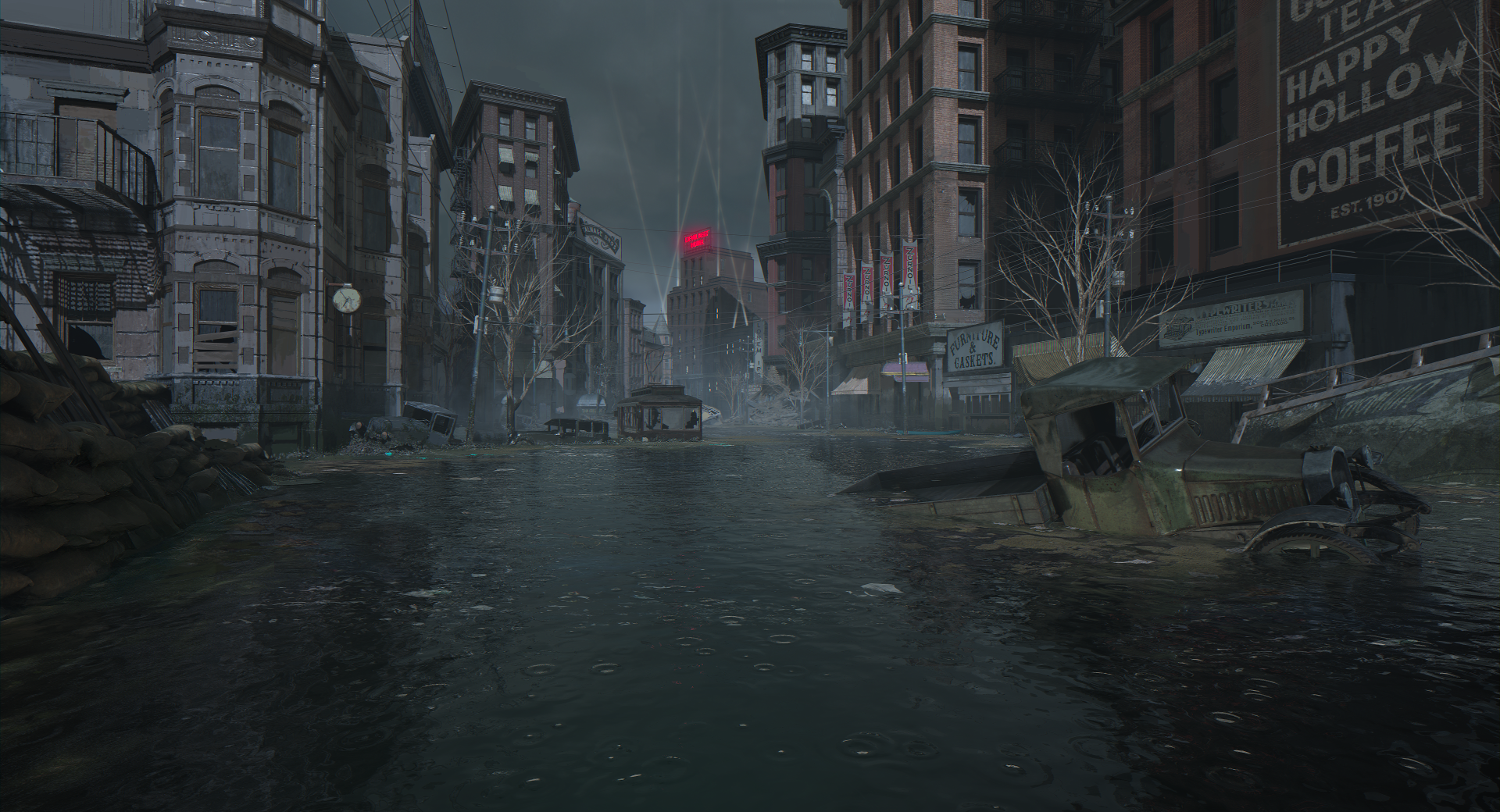
You play as Calvin Rafferty who performed an occult ritual that trapped his partner Faye Bennett's soul and left her in a coma. So, now he must brave the flooded port city of Arkham that's overrun by Eldritch horrors called the Slither, in order to find a way to bring her back.
The Sinking City 2 instantly establishes the emotional core of its story steeped in Lovecraftian horror, intriguing mysteries, and a love story. Calvin's only purpose for continuing to live is empahsised in an unexpectedly tender scene where players complete inputs to care for Faye as he's preparing to leave for Arkham's Miskatonic Library.
As you leave Calvin and Faye's home, Frogwares slowly introduces players to their new take on The Sinking City series. Whilst the original title was predominantly an investigation game with deep cases to solve, the sequel feels like a mechanical reboot.
The world now seeps survival horror, much like the modern third-person Resident Evils and last years Cronos from Bloober Team. Built on a set of tense, horrific interconnected levels where you locate keys, complete puzzles, and unlock shortcuts to progress through levels.
Even the menus will feel familiar to survival horror enthusiasts: resource management is crucial with limited inventory space that can be upgraded as you progress, a small collection of weapons can be placed as d-pad shortcuts, a codex allows you to reread collected lore documents, a talents menu to see acquirable skills, and a Resident Evil style map where fully scavenged rooms turn blue on completion.
But as soon as you venture outside, Calvin boards his skiff to navigate the semi-open first level location of Arkham. The boat gives a sense of freedom to what is a map of interconnected waterways. The only downside to the skiff is the lack of horror moments whilst exploring the water. But when you start driving the skiff, you soon learn to dock to unlock gates that are blocking your progress to the library. This teaches the survival horror basics as you must explore on land to find an object to get the gate working again.
This is the first time Calvin breaches the veil into a safe room. Pristine rooms that seem ripped from his apartment. Safe rooms mimic the safe areas from the traditional Resident Evil games: you can use a phonogram to save the game, arrange and store items in a storage box to manage your limited inventory, and unlock new abilities in the talents menu. Abilities such as doing increased damage to humanoid and other enemies, and many more.
At the beginning, you can place two stones to activate two talents once you've acquired enough essence to purchase them. Or you can save up your essence to spend big and unlock additional talent slots to make Calvin stronger. All of which can be carried over into The Sinking City 2's new game plus mode called Ex Oblivione; an extra mode where like Resident Evil, you earn points for completing tasks called Eldritch Feats that can be spent to unlock weapons or other things to use when you start new game plus.
After exiting the safe room, you learn the basics of how the game functions and the combat. You traverse through an apartment building, locate a map to help guide you through and unlock a shortcut to your location. Often, shortcuts require doors to be unbolted from the inside, or objects to be pushed out of the way.
During exploration, Calvin will discover lore documents, hidden radios to add to the codex, mysteries like safes to crack, and investigations to solve. Inside the apartment building, you find evidence that links to a safe. These investigations are simplified versions of the cases Frogwares built their name on in The Sinking City and Sherlock Holmes series. Stripped down investigations where you mostly collect documents which gives you a clue as to how to solve a passcode, a riddle, or lead you to a larger puzzle.
Some even require you to pay close attention to the environment, such as the optional safe in the first apartment building. You're given all the clues as to how to work out the code, but only once you've found an important date in the scenery. Immersive environmental storytelling that plunges players deeper into Arkham. Moments that make the beautifully rendered environment feel like a character itself.
But what makes the investigations work so well is the difficulty options. You can choose between the easier Breezy mode, or harder, Brainy mode. This makes discovering how to solve a puzzle a more hands-on experience. As after collecting documents, they're placed on an evidence board where you must connect together which text entries are related. On Breezy, the game attaches the same symbols to give players an instant answer. Whereas, it's Brainy mode where the investigations shine, as you must carefully read each document and connect the dots yourself - a simple but absorbing gameplay choice. Then by connecting the related evidence together, you gain the knowledge needed to solve the investigation, and earn additional essence to spend on talents.
While solving some of these optional investigations leads to additional supplies in the resource deprived city, others offer more useful items like essence to spend on talent upgrades, Night Ores that grant a respawn on death, one time use pens used to unlock special ERC crates that contain valuable items, weapon and inventory upgrades. It's worth the time for the story immersion, additional supplies and extra unlocks, as it makes the world feel like it expands beyond the main story.
By completing every investigation, I left no room unexplored, and made sure to scavenge every bullet, healing item, and crafting material. Obsessively managing my inventory by placing items into the safe room storage box, and combining as many materials as possible. Like Resident Evil, The Sinking City 2 includes a growing list of items for Calvin to combine in his inventory to craft anything from handgun bullets to healing sprays.
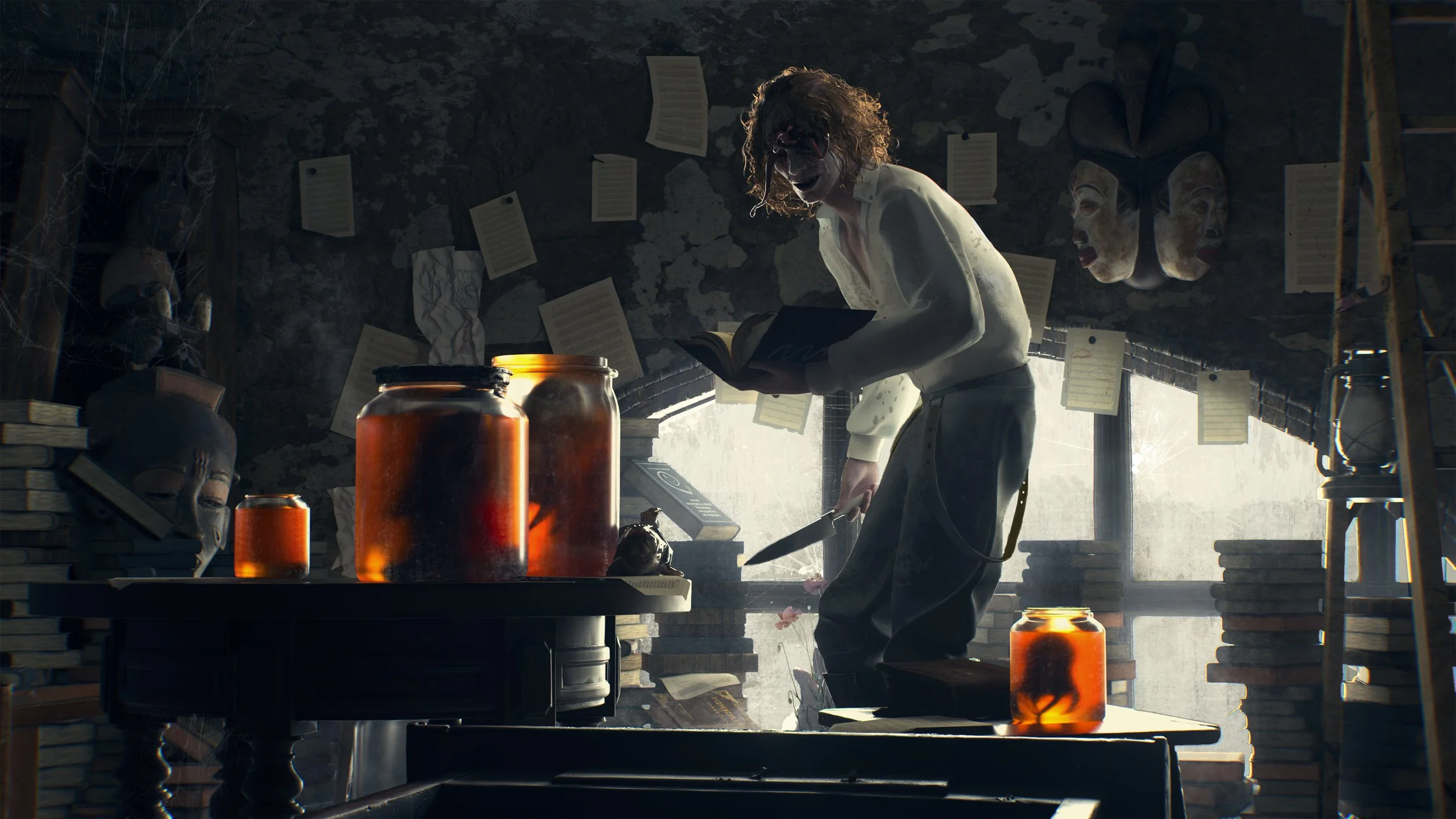
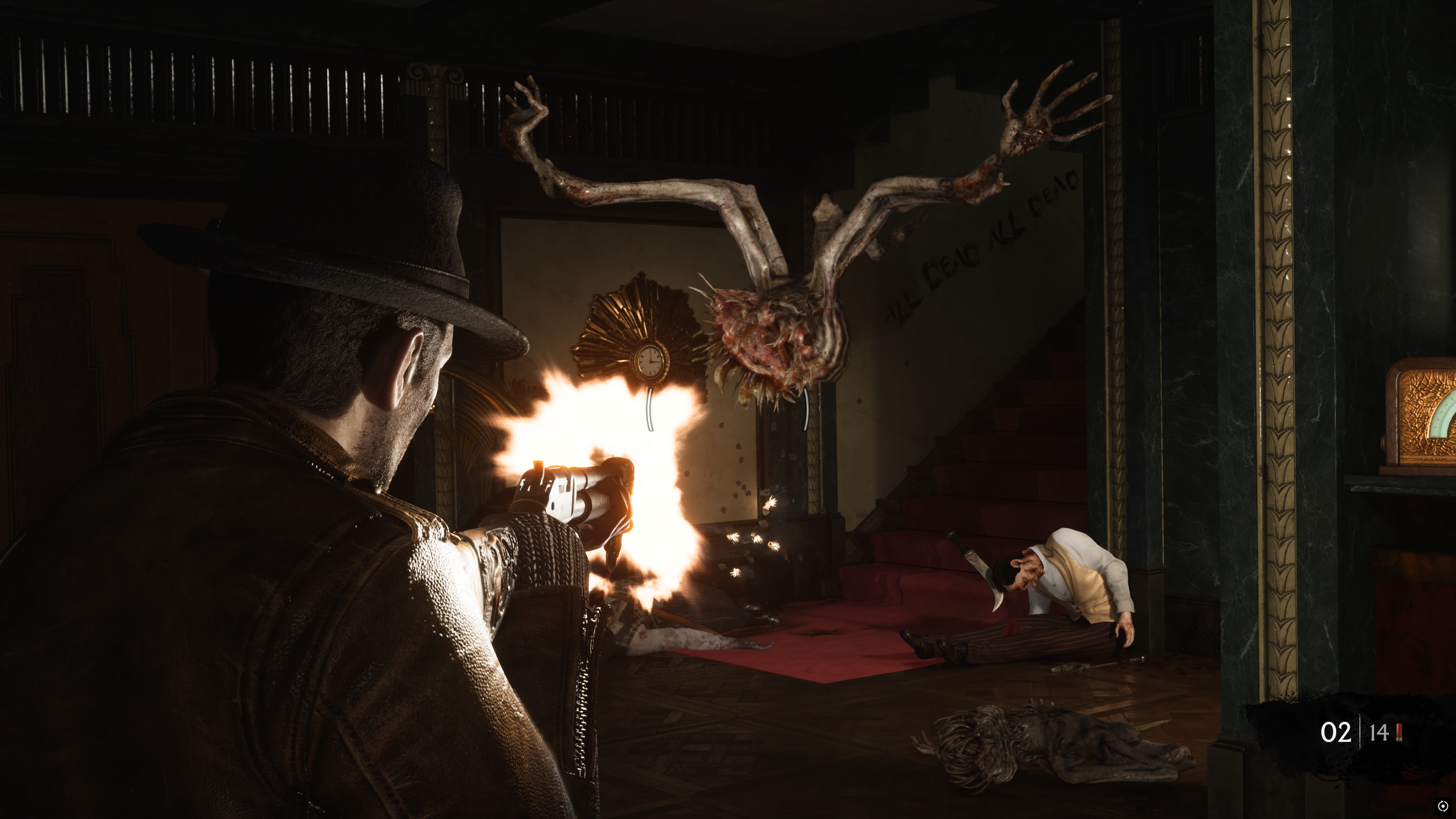
But getting to the optional and main objectives requires Calvin to survive dimly lit and dangerous spaces. After turning on his flashlight, Frogwares' lighting tech shines as particles float in the air, and there's just enough light to see what's ahead. Eventually, you'll meet the Slither, slimy parasitic worms that infect and reanimate corpses laid around each level. Eldritch terrors that can go from manageable to chaotic at any given moment.
To counter this, Calvin has many basic combat mechanics: he can shoot a variety of guns, sprint past enemies to escape or create distance, melee or stamp on enemies, and dodge away from attacks in multiple directions. Becoming muscle memory as you take down more and more Slither. You learn to understand their attack patterns when they stumble forwards, sometimes speedily, as you patiently aim shots at their orange pustule weak-points to maximise your limited ammunition.
But sometimes it's best to avoid combat entirely. Calvin can escape up and down ladders, crouch through small gaps, and more. The preservation of supplies is vital to survival, especially when there's limited resources to scavenge in each area. Like similar survival horror games, you're rewarded for being thorough and exploring optional paths. As you never know when you'll find an important lore document, lifesaving ammunition, health kit, or keys needed to unlock chests containing valuable items.
Fortunately, the moment-to-moment gameplay feels nice and responsive. I played without aim assist and it felt similar to playing a modern Resident Evil game. Shooting feels smooth and accurate, but unfortunately, melee lacks oomph. As when you're surrounded in any survival horror game, it often feels good to melee to get a half a second reprieve to quick turn and make some space. But The Sinking City 2's melee hardly staggers enemies and you cannot turn instantly. But after adapting to the game's features, you quickly become accustomed to using a solid dodge whilst bursting weak spots, and dropping enemies by shooting their kneecaps, and then, stamping on downed Slither to preserve ammunition.
Due to The Sinking City 2's player driven pacing and unpredictable enemy spawns, the combat never grew tiresome. Frogwares introduces new weapons to find at just the right moments, to counter a growing bestiary - a small but satisfying arsenal of firearms. Calvin's trusty handgun, a devastating shotgun, and a ferocious machine gun are just a few. All helpful tools of varying power and ammo availability; perfect to quickly swap between during the handful of chase sequences where you get overwhelmed and need to do some crowd control as you attempt to get to safety.
You'll also revisit locations after opening shortcuts, or gaining items needed to complete earlier puzzles - a version of backtracking that heightens the sense of exploration. This emphasises resource management as certain doors will need Calvin to use particular items to unlock them, such as a rust remover, or bolt cutters. Luckily, these items disappear as soon as every door of that type has been unlocked and frees up space in your inventory.
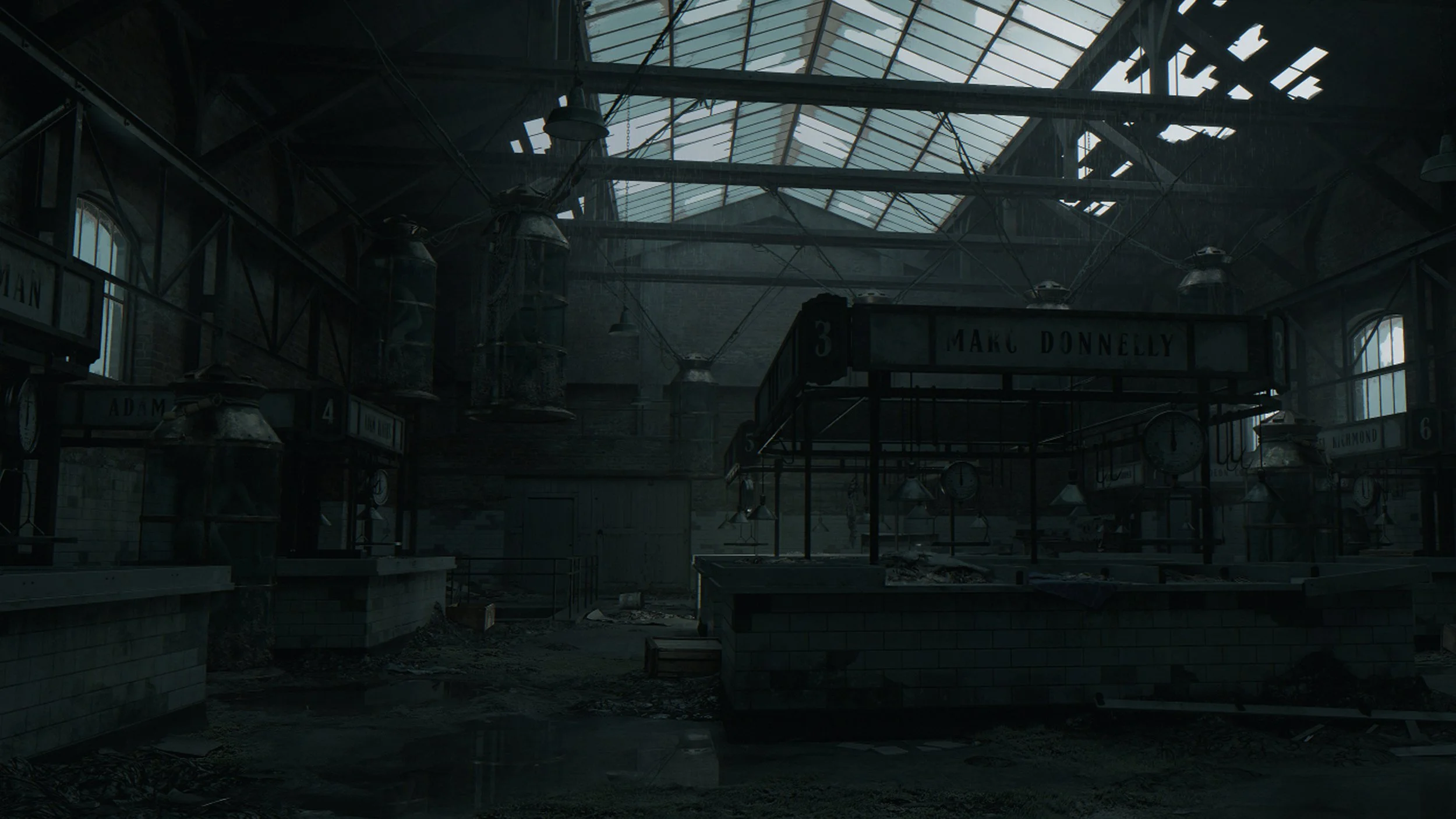
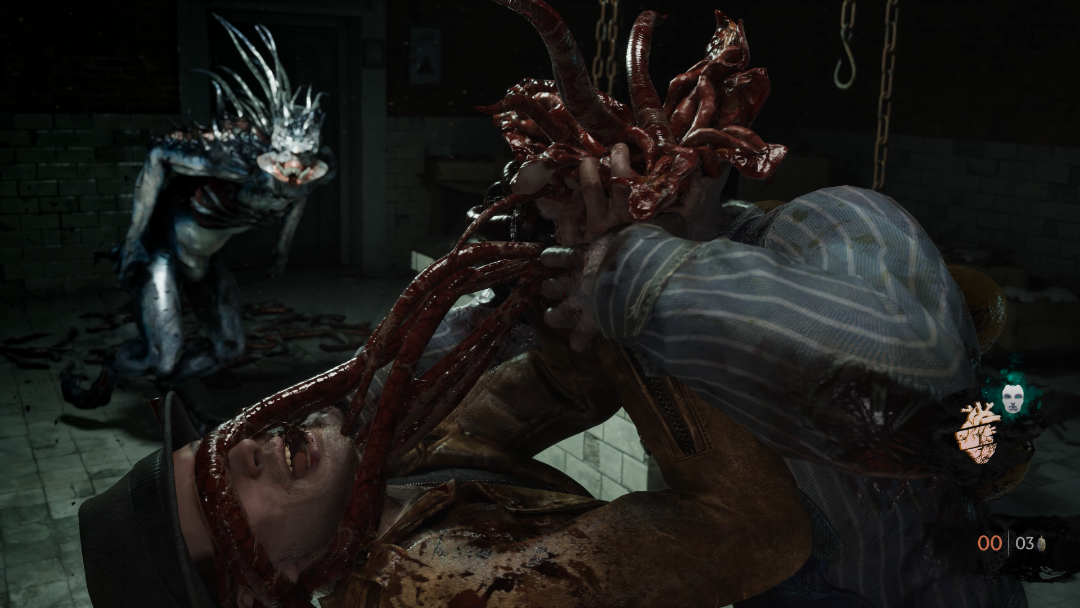
Backtracking also opens up opportunities for scares, as the Slither possess corpses in previously cleared areas. It's a great way to heighten tension, as it puts the idea of unpredictability into players' minds. Although, players can counter this to a degree by rushing to stamp the worm Slither before they can possess another body. While it isn't a fool proof method to stop possessions, it feels like you're having an impact on the rules of the world. It reminded me of a simpler version of Cronos' merge feature.
Yet, like every good survival horror game, The Sinking City 2 introduces other enemy types throughout to force you to adapt your combat style. Spider-like monsters skitter around dark environments and leap at you when you least expect it. Producing a few unexpected jumpscares. Thankfully firearms aren't the only way to deal with them. Some environments have bear traps and exploding pustules that can hurt you, or be used to damage and kill the enemy.
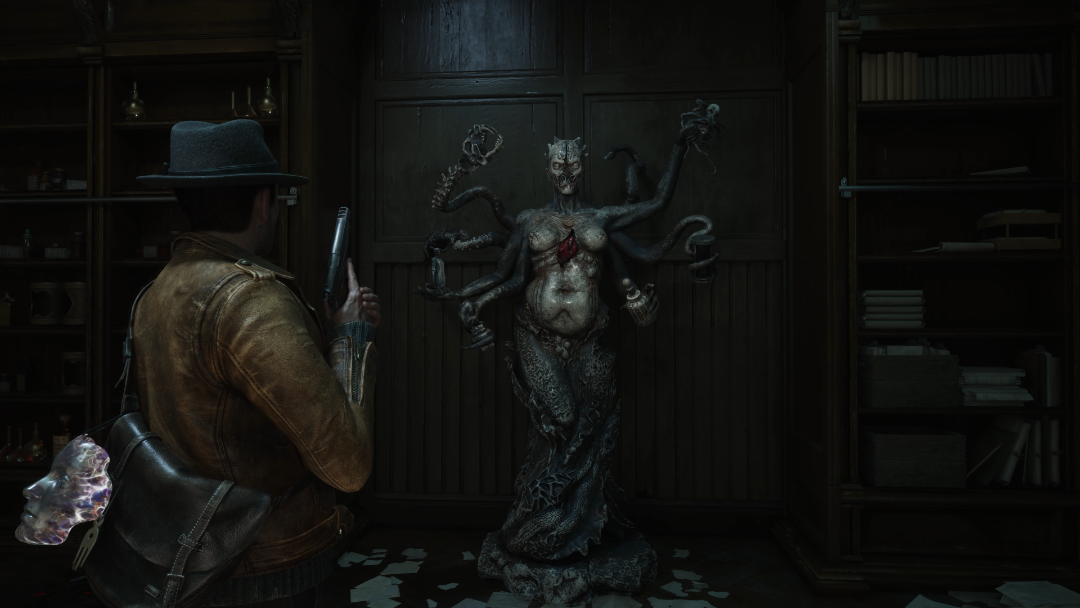
Other enemies split their heads and shoot projectiles. Some ensnare you with their wriggling tendrils and force you to mash a button to escape. Mini bosses charge at you. Mr X style pursuers keep you on your toes. There's a wide variety to encounter.
But unlike the realistically rendered environments and stunning weather effects, enemy models are a mixed bag. Normal humanoid creatures are suitably grotesque with a nicely detailed damage system. But while some of the later enemies should look just as menacing, they stood out by not looking quite as detailed next to how well done things like brickwork, textiles, shop fronts and interiors are rendered. It's a little gripe in the grand scheme of things, but it's worth noting when it stood out.
Although, you explore a wide range of environments from flooded alleyways, a creepy hospital, an abandoned church, an atmospheric hotel, and more. You also encounter enemies outside of exploration, in smaller combat arenas where you're trapped in a small space and must survive for a set time or until you've completed an objective. Wave based encounters that act as end of level mini bosses. Yet I did find these to be too easy as item crates continuously refill, so you're never out of ammunition or healing items. You simply need to repeat a circuit of the arena and refill your supplies as you go.
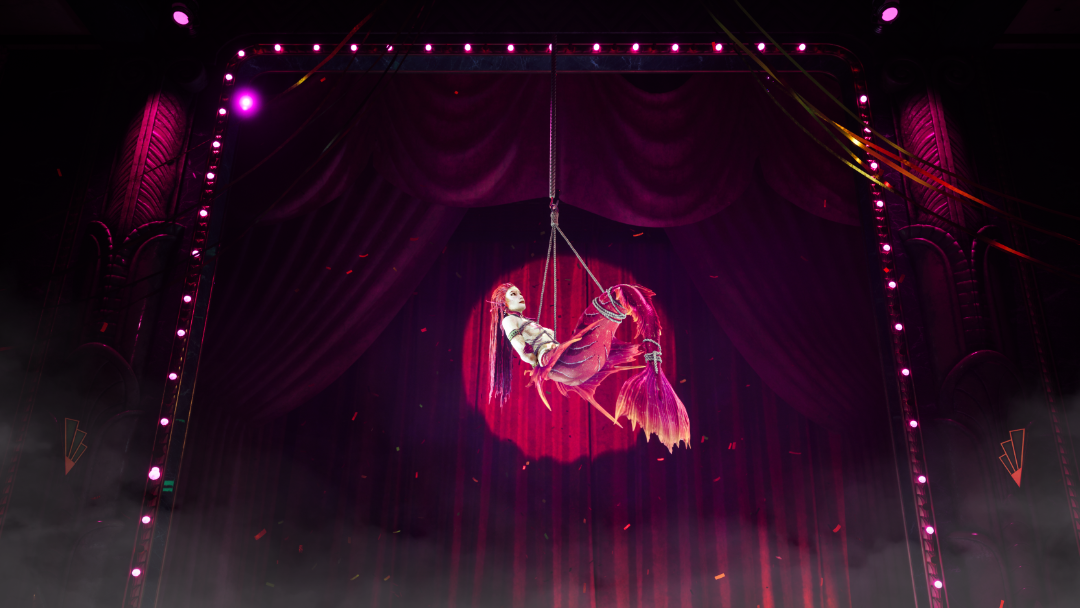
You also face mini bosses in smaller environments and a few larger bosses with numerous attack phases. Like other third-person survival horror games, these are the antithesis of the survive and locate an item to progress gameplay loop. They're all out action encounters that will undoubtedly reduce your ammunition and health kits.
However, I found a good balance between finding and crafting resources, and the edge of your seat moments where you need to decide whether to use up your last bullets or run away and conserve ammo.
Although balancing difficulty is one of the areas The Sinking City 2 excels. It has four difficulty options for combat: the easiest called Sweet Dreams which allows players to enable invincibility and immortality, the normal difficulty Restless Slumber, Hard Night, and Sleep Demon. The combat difficulty either ups the ante of the enemies and ease of resource management, or lowers the likelihood that you'll get defeated by a horde of enemies.
It also features some accessibility options such as aim slowdown, auto-reload, changing quick time events from tap to hold, and aim assist.
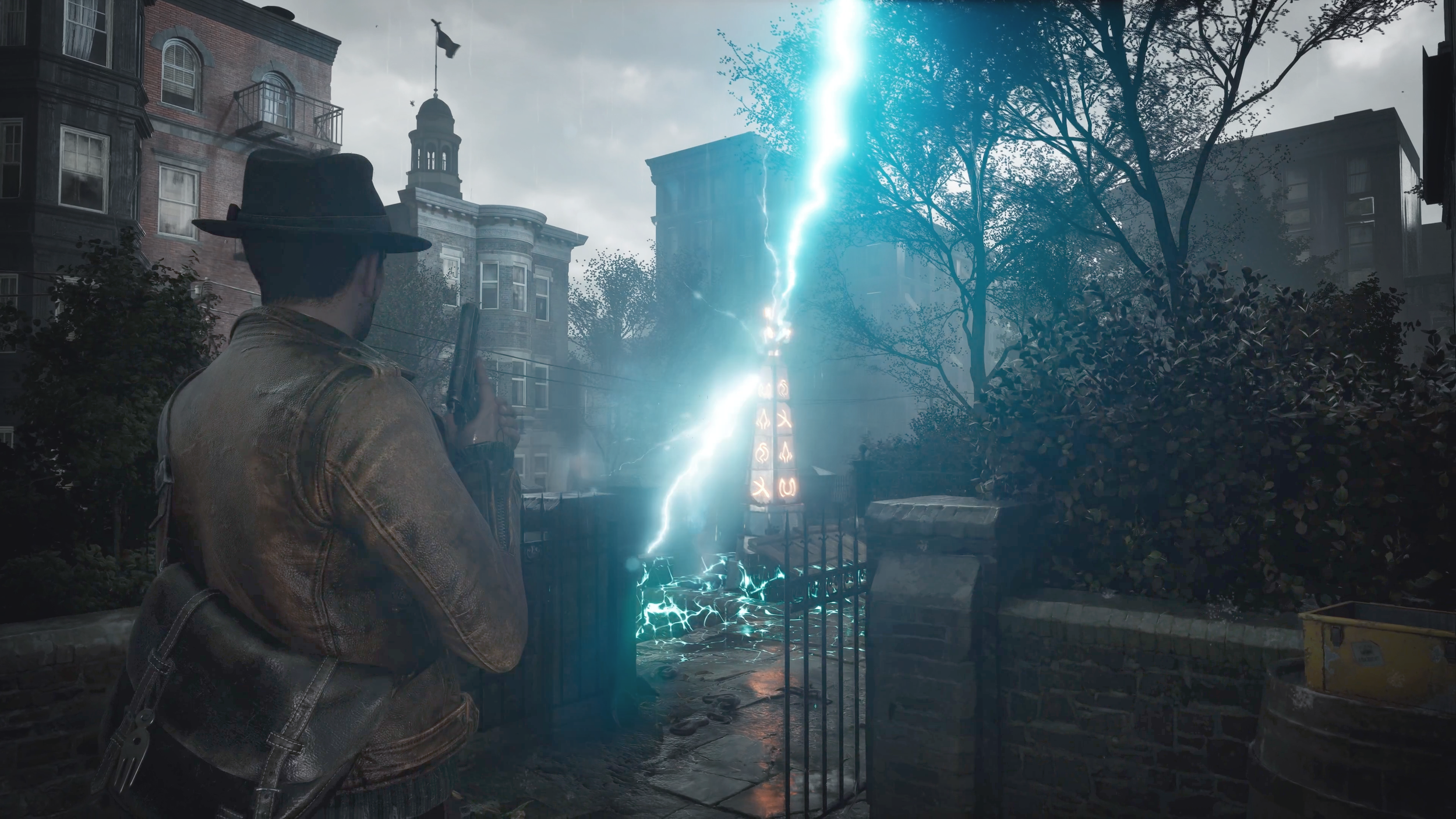
Another key aspect of The Sinking City 2 is the main story puzzles. Mysteries that often require you to explore locations like in and around the church, where you gather necessary items to activate a puzzle, and documents that explain how to find a solution. Some puzzles require you to solve a riddle to change sound frequencies, but the church asks you to figure out the correct order of occult sigils in order to charge an item with lightening. Each area has its own larger mystery and puzzle to solve.
Outside of the satisfying combat, thoughtful puzzles and a well-implemented survival horror gameplay loop, there's a strong narrative focus. There's a good amount of cutscenes and in-game narration. Solid animations, texture work and lighting continues into the story cutscenes. While both Andrew Wheildon-Dennis as Calvin, and Gemma Whelan as Faye give expressive and honest performances that bring the emotional core to life, the facial animations can feel a little stiffer than I'd expect of an otherwise very cinematic game.
There's also times when the odd sentence feels forced or unnatural due to the expositional nature of certain scenes. But when you consider the Eldritch drenched story, emotional arcs, natural conversational dialogue that characterises and adds history, and world-building lore documents, The Sinking City 2 continues Frogwares penchant for storytelling.
Each emotional scene and atmospheric setting is accompanied by a note perfect score, crunchy sound effects or silent eeriness. Tense music ratchets up the scares in dark hospital halls and flooded factories, and loud sounds assist with the odd jumpscare as you unexpectedly turn into a spider-like enemy's gleeful pounce.
Although The Sinking City 2 adheres to what you'd expect from a Resident Evil inspired survival horror game, it tries to be more. The investigations are a mixed bag, but not because they're bad. Some are just less detailed than others. They're an integral feature that helps to keep Frogwares identity alive, but I can understand focusing on nailing the general survival horror gameplay loop first. I just hope they get to make another sequel and integrate a more in depth version of investigations.
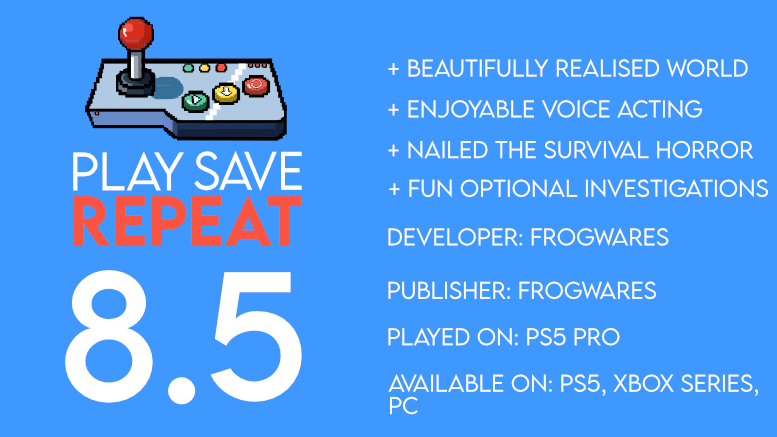
The performance on PlayStation 5 Pro was also surprisingly solid throughout gameplay with only a few minor hitches, even without a dedicated Pro patch. The visual fidelity is very clear, even in 60 frames per second performance mode. Screen space reflections and atmospheric weather effects do plenty to make it feel like a AAA experience. Perfect to showcase the game's photo mode. But it does suffer from texture pop in like most titles built in Unreal Engine 5. Even though Frogwares aren't as big as Capcom or Konami, the audiovisual presentation is surprisingly close to the larger productions like Resident Evil and Silent Hill.
For such a drastic change of genre, The Sinking City 2 is a miraculously successful attempt at survival horror with a well-executed Eldritch twist. While it might not reinvent the horror genre and it knowingly and accurately uses fundamentals from the modern greats, and scares like pursuer enemies, Frogwares have crafted strong foundations that feel as confident as a sequel deserves.
Some might call it safe, but it's anything but. It's a huge gamble to change the studio's direction any time, let alone whilst living through wartime. Something the developers acknowledge in-game with a poignant tribute to the life-changing impact war has on the individual. The Sinking City 2 is one of the biggest surprises of the year. One that puts Frogwares on the upper tier of survival horror developers.
If anyone is a fan of Resident Evil style survival horror games and Eldritch stories, The Sinking City 2 is a competent love letter to the genre that doesn't feel like a first attempt, and stands out enough due to its setting and story inspirations. Now, I look forward to seeing how Frogwares can build on this excellent first attempt at survival horror.