TOEM 2 Review - A Wholesome Adventure!
If you've ever wanted to take a relaxing photography trip to snap photos of beautiful sights and natural wonders, the original TOEM was the perfect virtual escape with puzzles when it released 5 years ago. Now, developer Something We Made return with the sequel TOEM 2, that doubles down on the wholesome atmosphere by expanding on what made the first game a memorable experience.
Whether conversing with cheerful townspeople, photographing insects, or solving problems for the locals, TOEM: A Photo Adventure set the cosy foundations to build a sequel on.
TOEM 2 sees the return of the sheep-like protagonist, as they once again wake up in their grandmother's house. You're immediately allowed to explore the familiar surroundings until the grandmother gives you a small quest to fix the television antenna on the roof.
Exploring the outside area of Homelandia, TOEM 2's greyscale cartoon art style is still as striking and charming as ever. The isometric camera can zoom-in and out to five different levels, to gain a wider or closer perspective of the intricately drawn levels and expressive animations. It's also integral to search for hidden paths or assess the newly implemented verticality.
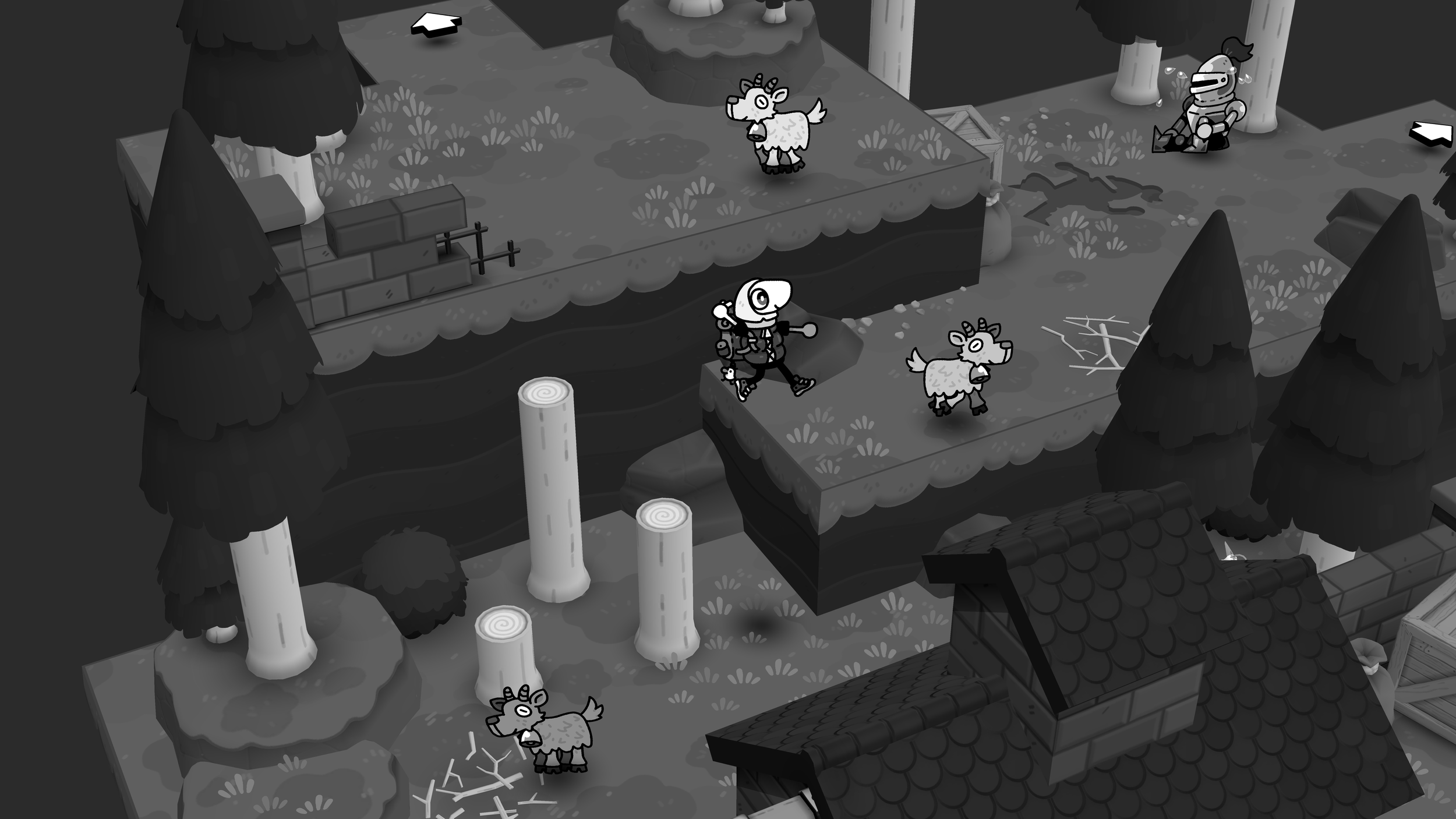
Image: TOEM 2 - Jumping
But Something We Made have decided to make two massive changes: switch from 2D to 3D environmental geometry, and implement vertical level design. New visual touches that benefit the protagonist's new traversal mechanics - the ability to run, jump and climb vertical spaces. Controls that are smartly on-boarded as you climb the house and hit the television antenna until it fixes the signal.
Back inside the house, you watch the television report about the Whirlhill Festival that begins the main quest of taking multiple bus journeys to the festival. But like the original game, the protagonist aims to make friends and use their photography talents to solve the problems of multiple communities along the way.
It's at this moment where the grandmother gives the protagonist their trusty camera. It retains many of the same basic functions, such as the first-person perspective to zoom-in and out and focus on subjects to take a maximum of 256 photographs. And now, you can set the camera up anywhere with it's propeller levitation feature, to take selfies and pictures with other people. You can also pose in various costumes to create unique photographs. TOEM 2 is always encouraging your curiosity to step back and admire the little moments.
After accepting the camera, you attempt to begin your adventure by trying to purchase a bus ticket to leave Homelandia. However, the attendant refuses to dispense a ticket unless you complete a number of missions to earn stamps in your journal. The same system from the original game; a mechanic to inspire exploration and interaction. A stress free adventure where you speak to whimsical creatures and accept quests to help them with their problems. Although, there isn't any pressure to complete every quest or activity in the journal.
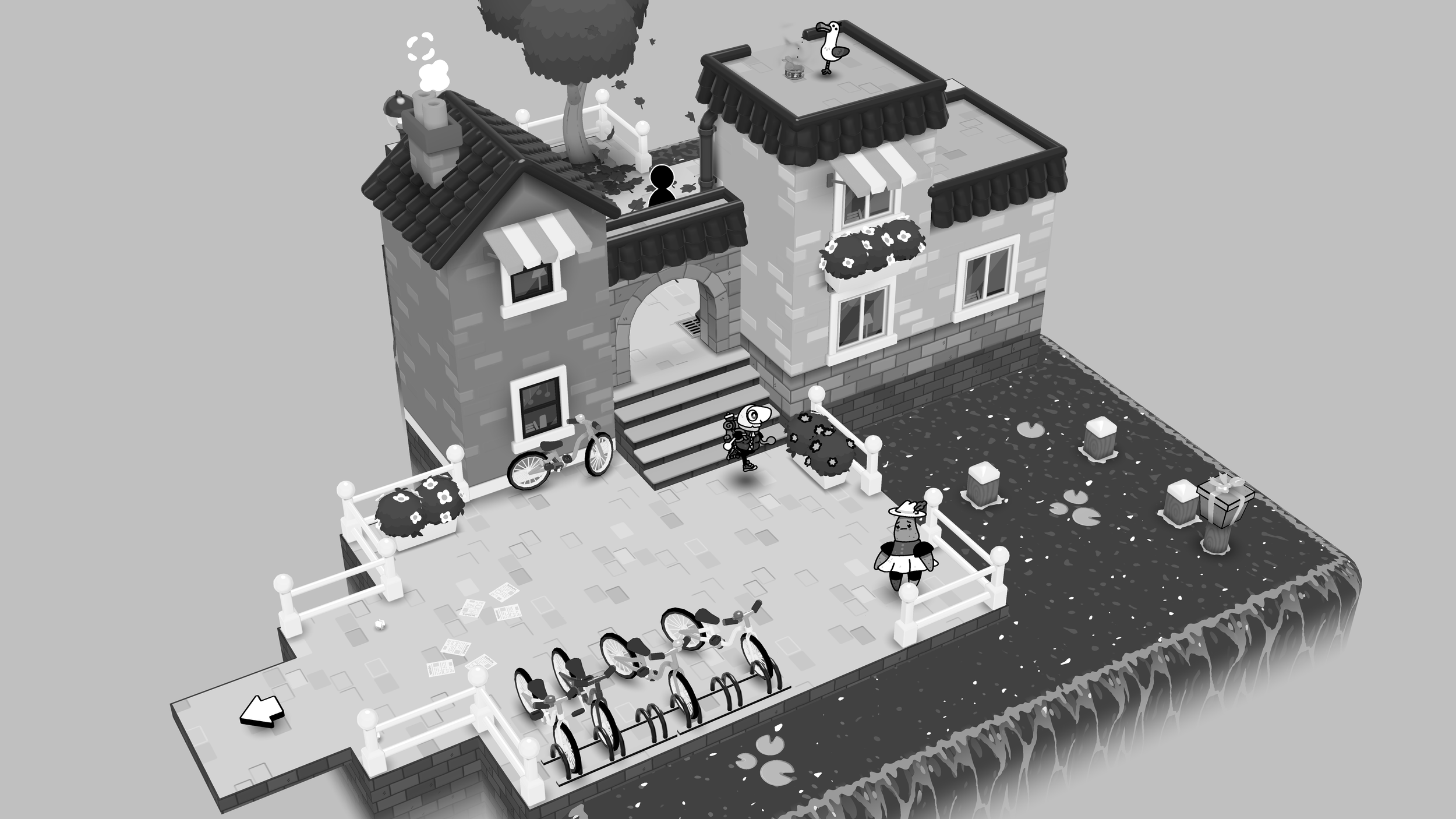
Image: TOEM 2 - City
But in order to get your first bus ticket, the protagonist needs to explore the modest starting zone to acclimatise to the gameplay loop. The main journal objectives are to snap a photo of every animal, an environmental wonder, use the camera to solve missions to gain stamps, and focus on eye symbols to activate special photography events. There's even clever opportunities to find solutions hidden from the isometric view, as the camera's first-person view can be aimed upwards to reveal interior ceilings and the sky.
After acquiring the stamps to travel on the bus, the protagonist ventures into brand new lands. Each location is distinct and thematically rich. After a pleasant conversation with the bus driver, you arrive at a more expansive level. Detailed farmland made up of individual but interconnected squares. A grid-like map of connected squares that helps the level design in numerous ways. Smaller sections to slowly introduce quests with a limited sense of freedom as you choose which direction to explore first. Limited choices that change the order the quests are completed - an immersive stroke of genius to make each adventure feel more individual.
Beyond the map layout, TOEM 2's missions are more involved and varied than the original due to a set of new camera functions. The protagonist is welcomed into areas by potentially new friends - warm and welcoming people in dire need of help - who they cannot wait to do whatever is necessary to solve their problems. From the first moments, empathy and kindness are a through line to the heart of TOEM 2. As Something We Made have taken enormous effort to envisage a story free from any severe chaos; a world where everyone wants to help each other simply because they can.
The first friend the protagonist meets is Pearl, a worm who is a gardener. But dialogue in TOEM 2 is a fantastical language like simlish from The Sims. Thankfully, the writing is consistently charming, humorous and kind-hearted to maintain a cosy tone from beginning to end. There's even the odd dialogue choice to dictate the protagonist's emotional responses, and fun video game references.
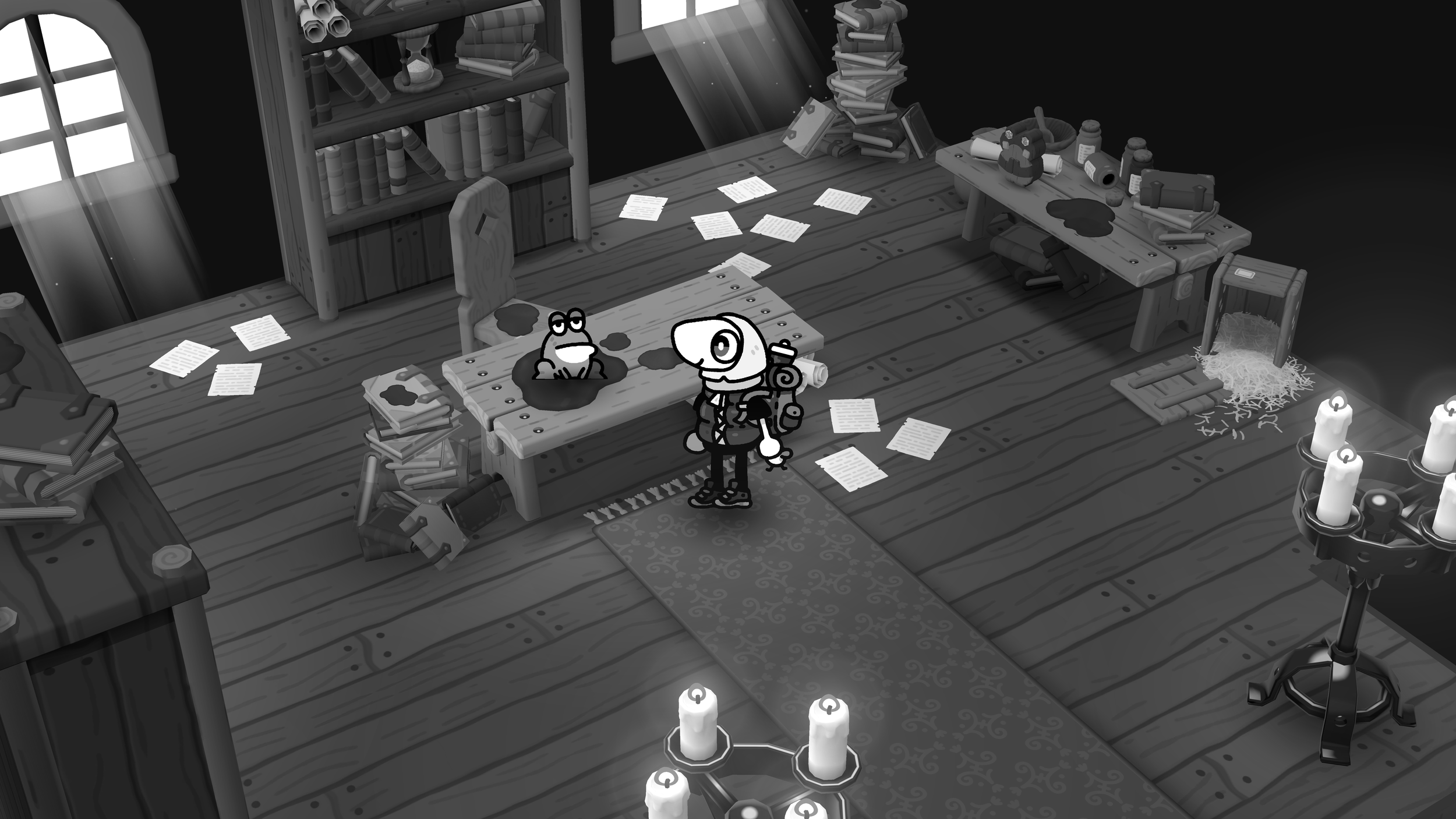
Image: TOEM 2 - Desk
We meet Pearl as she's struggling to deal with a particularly pesky plant that keeps ensnaring things in the most inconvenient places. Luckily, Pearl has the perfect tool for the job. She hands the protagonist a scissor attachment for their camera. With the scissor attachment equipped, you can now aim at the plant and cut parts until it retreats underground.
Each region has its own potential friend and camera attachment that's needed to fully explore the world. Main stories that add variety to the adventure. But it's also the little side quests that keep you playing. TOEM 2 doesn't contain a deep twisty narrative, but it does build out a uniquely charming universe of animal-like characters that keep you wanting to see who else there is to help around the next corner.
While I would've liked objectives to combine every camera attachment, the side stories that do use individual attachment are constantly engaging and fun. Such as a short mini game where you cut cloth with your scissors as it's thrown into the air. But what makes the attachments work is how they match the profession of the potential friends, like an apprentice builder who gives you a hammer to follow simple tap and hold button prompts in order to build bridges or structures.
Friends are another way to deepen the bond between characters and their connection to their home. I'd definitely encourage taking in these friendship quests and completing as many other quests as you can, as it does have a minor impact on the later game.
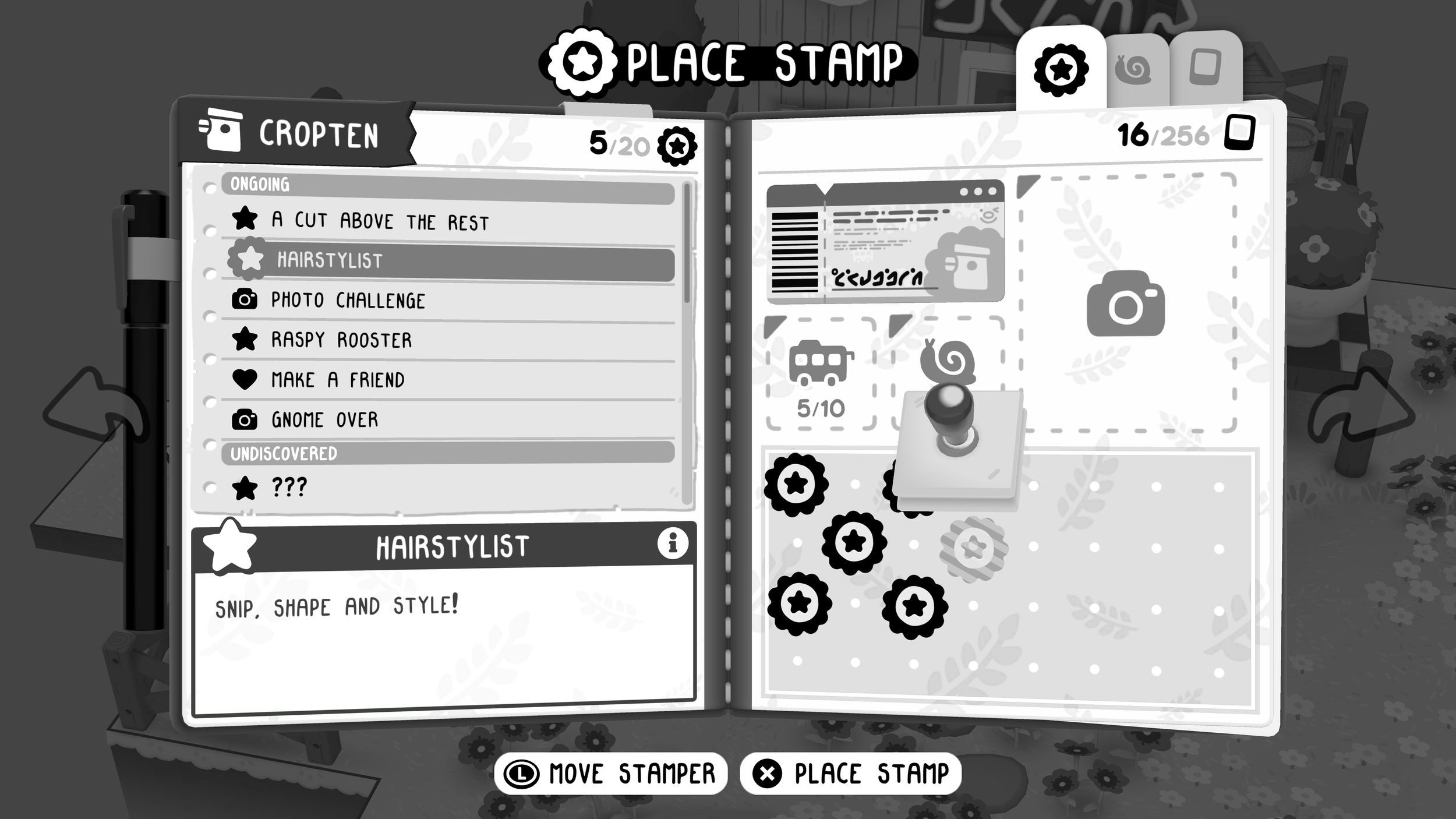
Image: TOEM 2 - Journal
But it's the variety of side quests that kept me engaged on my way to Whirlhill Festival. They all require the use of the camera or its attachments, but separate themselves from one another. Take the farm where you need to snap pictures of clouds that look like objects, return to people after taking photos of what they've asked to see, a coffee delivery where you must carefully use your platforming skills to use trampolines and perfect landings to deliver the coffee unscathed, use a hammer to make a sculpture, and multi-part quests that require you to collect items to craft another object to use. But one of my favourites to solve was a simple escape room that combined light platforming and photography puzzles.
Yet, TOEM 2 isn't only quests. It's a game where exploration is rewarded with new hats and outfits to customise your character. By rotating the isometric camera, you'll often find suspicious looking areas that contain hidden presents. After locating a present inside a tunnel or in seemingly out of reach areas, you'll unwrap the gift and find a costume that matches your current area, or an outfit from a selection of popular indie titles, like the head of Hop from the great platformer Big Hops.
Everything compliments TOEM 2's cosy, low stakes atmosphere. You don't even need to complete every quest to gather the stamps necessary to continue on your adventure. Even the ambient sounds of animals brings the scenes to life through incredible audio design, as We Made Something knows when to balance ambient noise with perfect needle drops from the soothing soundtrack by composers Launchable Socks and Jamal Green.
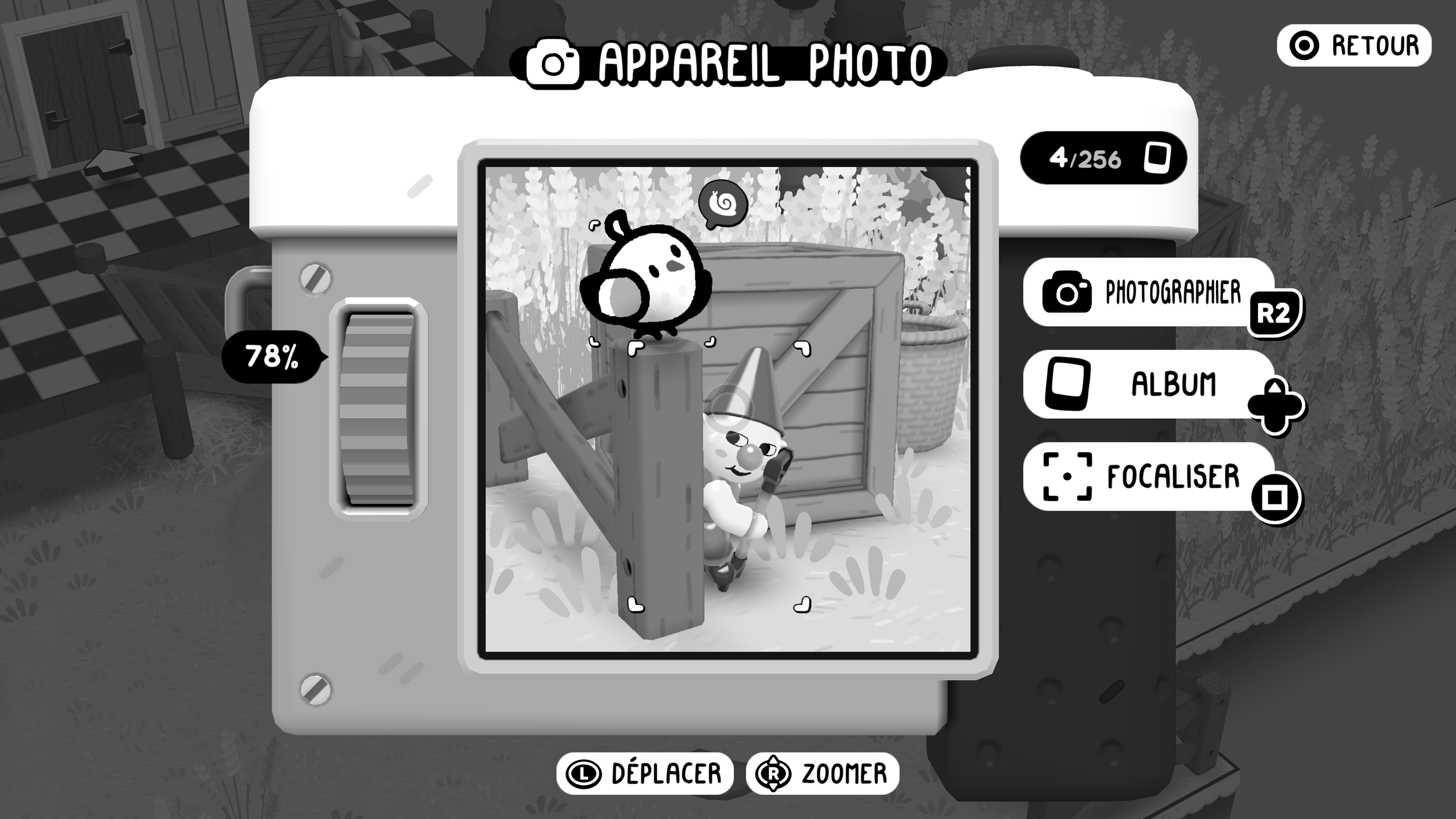
Image: TOEM 2 - Camera
But what makes TOEM 2's audio even better is the option to access the protagonist's Hikelady cassette player. Allowing players to take a seat on an in-game chair to listen to their favourite track and watch the inhabitants of the world.
Every aspect of TOEM 2 feels like a welcome step up from a team with a shared creative goal. It's a rare game that wants you to take the journey at your pace and soak in the scenery and all the small wonders of the world. It gives you that feeling of listening to your favourite song, or going on a comforting walk with an old friend. While it isn't the biggest departure from what made the original TOEM work, it carries over the same cosy feeling to make a 3 to 4 hour game worth your time.
*Review Code Provided By Publisher
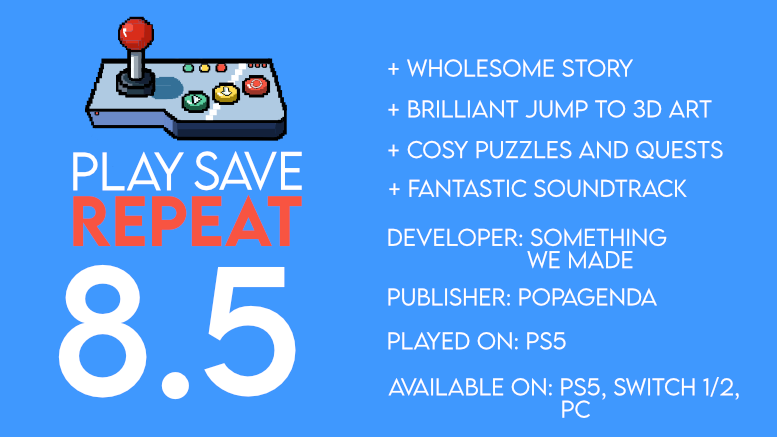
Image: TOEM 2 - Score - 8.5/10