

Hellraiser: Revival Review
Whether you grew up watching or reading Clive Barker's Hellraiser, most people will be familiar with the iconic sight of Pinhead. The no holds barred psychosexual thriller horror series is synonymous for its deep allegories and pushing boundaries for its trove of body horror fans. But now, Saber Interactive have attempted to bring the series to the medium of video games with Hellraiser: Revival.
Being extremely violent and sexual in nature, Hellraiser: Revival won't be a game for everyone. But there's definitely a place for all types of video games. It has many strong themes and content that isn't going to suit everyone. If you know Hellraiser, then you know it goes to dark places with themes of abuse, addiction, self-harm, and taboos. All while leaving nothing to the imagination when it comes to body horror and nudity.
You play as Aidan whose girlfriend Sunny activates the Genesis Configuration - a puzzle box belonging to Pinhead and his fellow Cenobites. Angels to some, demons to others. Pale, leather clad creatures who've self-mutilated themselves and follow the word of the Revealer. Cenobites see no difference between the heights of pleasure and pain. They view it as a gift to allow those who solve their configuration cubes to experience their demented bliss in their realm of the Labyrinth.
So when Sunny is torn apart and taken to the Labyrinth, Aidan must go through hell to try to save her, even if it means making a deal with the Cenobites themselves. But first, he must survive the cult of Cenobite worshipers who've taken the Genesis Configuration for themselves. It's a grim and gory setup that never lets up from beginning to end.

Image: Hellraiser: Revival - Genesis Configuration
Although Hellraiser is a horror property with a strong identity, I was worried it wouldn't translate well to a video game. But Saber alleviate those fears almost instantly, and for a lower priced game, I was pleasantly surprised by its 8-12 hour length, multiple endings, and the consistent visual quality on display.
Yet it was the impressive variety of gameplay mechanics that grabbed my attention. Hellraiser: Revival is a first-person survival horror that takes inspiration from numerous horror franchises. There's numerous gameplay styles. Some levels are inspired by classic and modern Resident Evil as you explore buildings that require you to solve puzzles and find keys to enter interconnected rooms. Levels in the Cenobites' Labyrinth split between P.T. psychological horror, Outlast style chase scenes, and deadly puzzles to solve. It's a real cacophony of horror, that lands more than it doesn't.
But when Aidan wakes up attached to a chair in the Cenobite cult's underground base, you get your first taste of how Hellraiser: Revival feels to play. After completing button prompts to release Aidan from his grim predicament, you're free to explore dark and grimy corridors that ooze a horror atmosphere through an exceptional use of light and shadow.
This linear area is where Saber teaches players the basics: Aidan can walk, crouch in the dark to avoid enemies, push obstacles out of the way, and sprint when necessary. But it also features immersive sim elements, like scavenging money, treasures, and supplies from bodies, drawers, and more, to be able to buy vital items at the shop, and craft your own.
But it's the countless notes and audio logs littered around each level that were some of my favourite parts of Hellraiser: Revival. Audio logs add texture to side characters, and notes give background to characters, expand on the lore of the Hellraiser universe, and make sure each new area has its own narrative identity. Notes, photos and examinable objects also contain clues to solve passwords needed to unlock storage cabinets for greater rewards, like powerful weapons and upgrades to inventory space. You'll also come across locked cabinets where you must complete a lock-picking mini game, that feels straight out of Fallout.
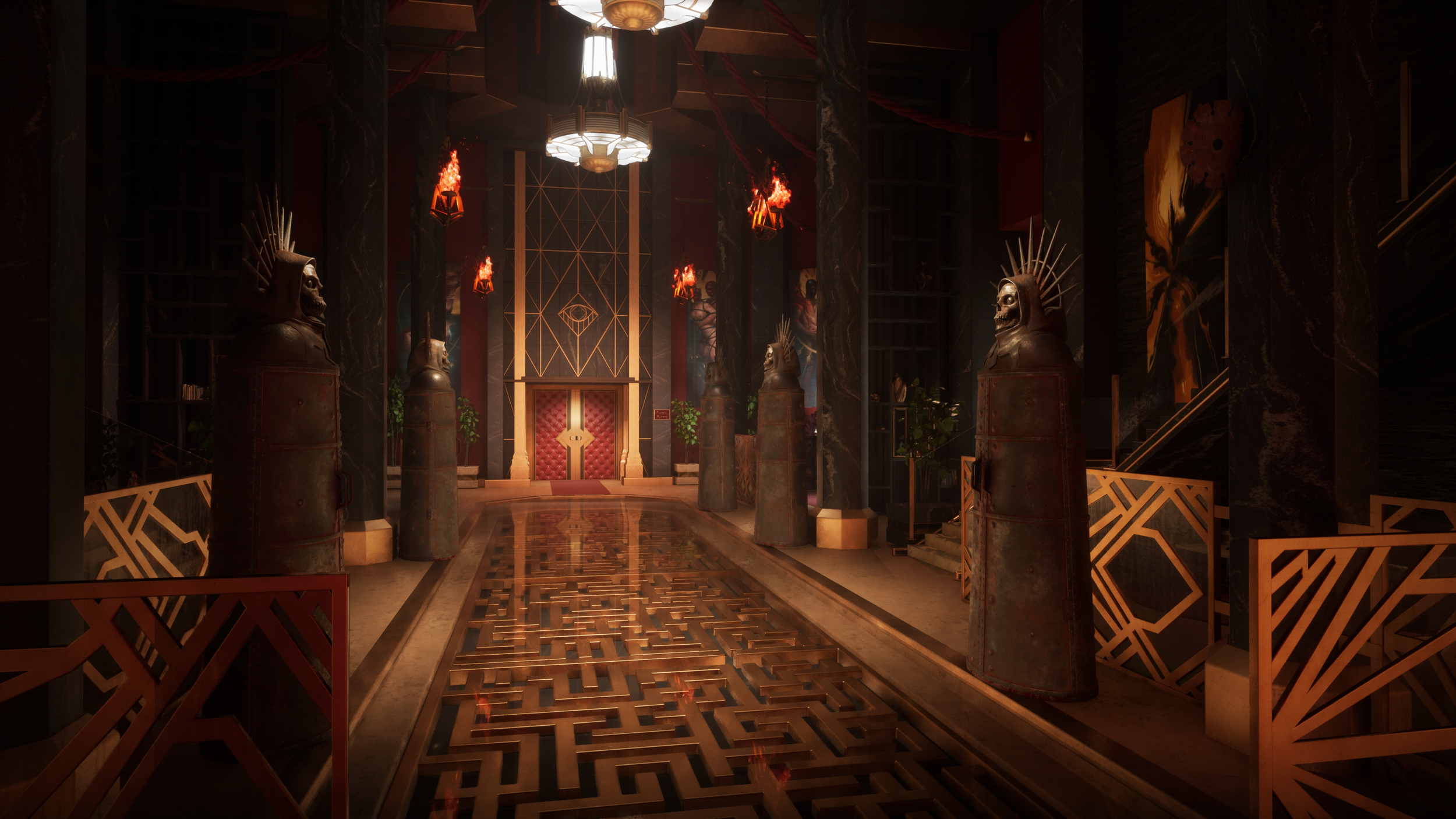
Image: Hellraiser: Revival - Iron Maidens
Scavenging and exploration are the backbone of Hellraiser: Revival's main gameplay loop. As if you didn't have these systems, it would undercut the survival horror feel, and simplify combat and player growth. Saber also make the wise decision to borrow a Resident Evil grid-based inventory and crafting system. It forces you to decide which items to store in the chest with the trader, and keeps you thinking about how to solve the challenges ahead. Although the auto-sort function is handy, but I quickly found that it didn't maximise space as efficiently as you'd expect.
A big part of this is deciding when and what to use your scavenged crafting supplies on. Eventually, you'll be able to buy new crafting recipes, and craft everything from bandages to bullets, and more. Although it's the repair kits that can be a lifesaver in particularly sticky moments. As Saber have chosen to use weapon degradation for all melee weapons.
Normally I only like weapon degradation if it is additive to the experience, which I believe it is here. It encourages inventory management and pushes you to use your full arsenal of tools, all whilst ratcheting up the tension. But it's a gamble if the difficulty balance is off. Fortunately, Saber have ensured you're never without options.
But after sneaking through the shadows, Aidan comes across his first weapon and an unavoidable fight. You face a cult member to learn the combat basics: he can back-step and sidestep, sprint to create distance, and slash his blade until his swings become laboured. While the enemy combat animations feel a little clunky, once you get used to the dance of combat, it's perfectly serviceable. But it only improves once you gain more tools.
Although it's imperative to keep an eye on your weapon's health, otherwise it will break unless you repair it. But if it does break, you'll be left with an unbreakable blade that hardly does any damage. Yet Hellraiser: Revival doesn't expect or want you to continuously face enemies head-on. It encourages stealth as most enemies that aren't fully armoured can be killed from behind with the appropriate weapon.
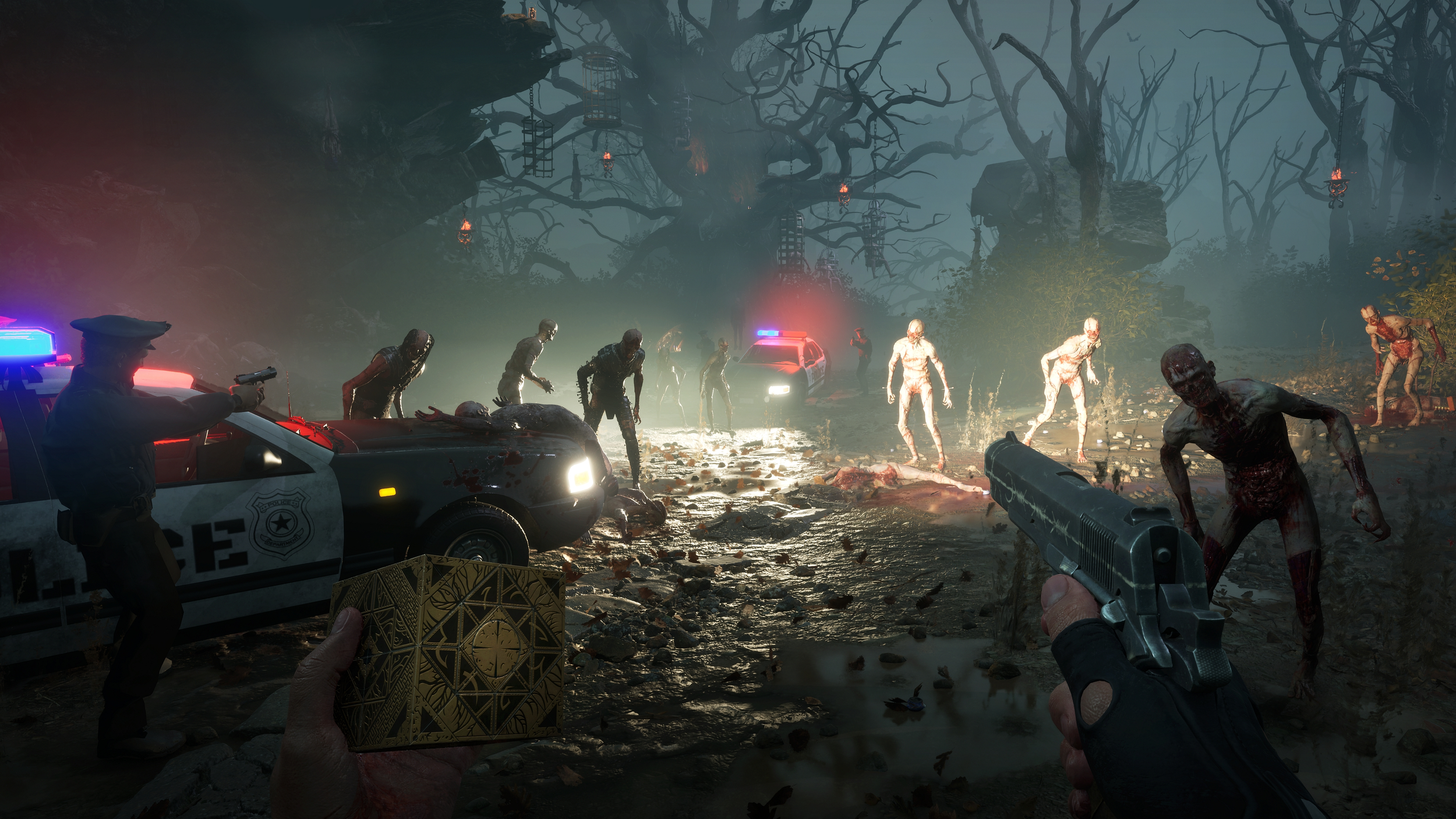
Image: Hellraiser: Revival - Monsters
It's a real push and pull between both melee combat and stealth. It feels fulfilling to sneak around and dispatch a whole area of enemies whilst preserving a good chunk of your weapon's health. But if you stumble into an armoured enemy, you need to find or equip a blunt weapon to easily strip away their armour.
These encounters creeping around the cult's menagerie of horrors were made even more immersive when you overhear enemies enjoying their depravities. With the visceral combat, and dirty horror lit atmosphere, I couldn't help but feel some similarities to Sega's great Condemned series that's overdue a come back.
But Saber continues to develop Hellraiser: Revival's gameplay systems, even in the early areas. You quickly find a flashlight to enable darker areas to heighten the horror in your imagination. But it's when Aidan finds his first firearm that the game changes. While firearms don't degrade, they do have limited ammunition compared to a normal first-person shooter. Following in the footsteps of most survival horror games that use item scarcity. However, there wasn't many times on normal difficulty that I felt the game was unfair. If I ran out of bullets or weapons, there was always something around to use, or opportunities to run and avoid combat entirely.
This makes every bullet count; headshots can be the difference between taking out two enemies with two bullets instead of losing a chunk of health in a panic. You can also shoot environmental hazards to dispatch multiple enemies at once, like petrol cans, and oil drums. Or find bear traps to setup during later game wave based enemy encounters.
The shooting is decent and punchy enough to feel the impact. But while the enemy AI isn't the most intelligent, it is aggressive and suitably damaging when multiple human enemies try to attack you with a combination of melee and firearms. It really helps cultivate the sheer panic the best survival horror games can produce
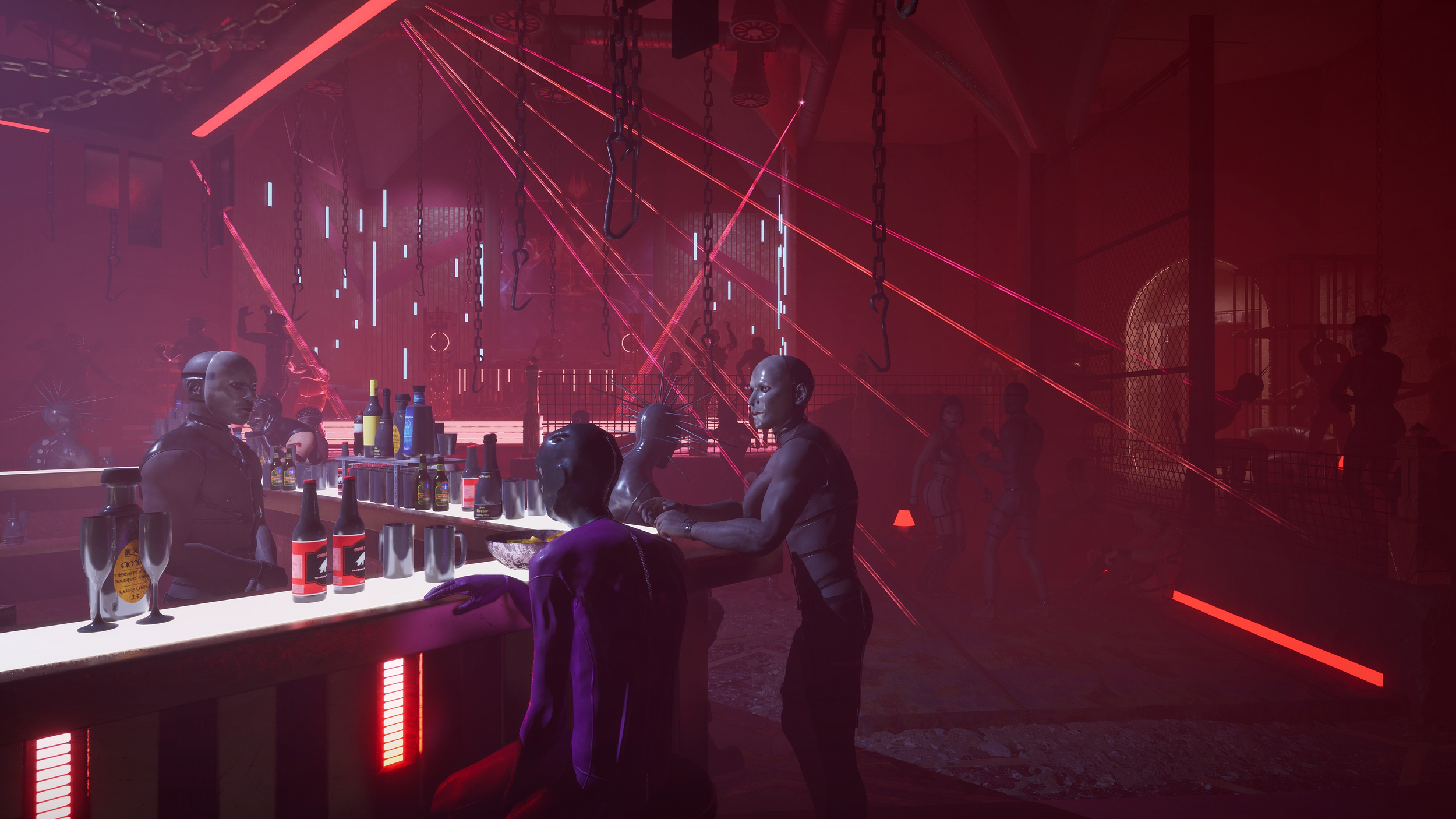
Image: Hellraiser: Revival - Club
But again, Saber chooses to further develop the gameplay. Stealth progresses to short auto-fail sequences where you're hunted by various monsters. These might frustrate some players if they're impatient, but if you use the added stealth tools to throw glass bottles and stones to distract the enemy, they're easy enough unless you trample on loud broken glass. But I do think more generous check-pointing would help for people who don't like this form of stealth.
Or if you're a big action horror fan, then the boss arenas might be more your style. These combat arenas contain a surplus of ammunition and supplies, as you fight a large boss as well as normal enemies. But these would be incredibly difficult without the final combat element: the Genesis Configuration. As Aidan eventually possesses the puzzle box to use its multiple powers to attempt to save his girlfriend, Sunny.
Those familiar with first-person shooters will instantly think of Bioshock when Aidan first wields a firearm in one hand, and the Genesis Configuration in the other. It quickly becomes a power fantasy that erodes tension, but only in the right moments, as the powers are limited. Aidan inherits a suffering meter which builds upon killing enemies. But once it's full, you can land a head shot with your handgun, and then, use telekinesis to pull a saw blade from the wall and propel it through another monster - a bit like Half-Life 2's gravity gun.
Yet, a good portion of Hellraiser: Revival is completely absent of combat. There's many simple but fun puzzles, and varied locations to explore. Whether twisting the Genesis Configuration to fit a certain shape to unlock a gate, locating a password hidden on statues, or using telekinesis to avoid death traps and proceed inside the horrifying bowels of the Cenobites' Labyrinth.
But it's the Labyrinth sections that test Aidan's psyche and ratchet up the heart pumping tension. Sweaty moments where one minute you'll be standing overlooking a breathtaking vista, and the next, blue electricity and chattering teeth can be right around the corner. As one of Pinhead's Cenobites is the hedonistic Chatterer: a lip-less creature who incessantly smacks his teeth together. And as soon as you see him, a life or death chase begins.
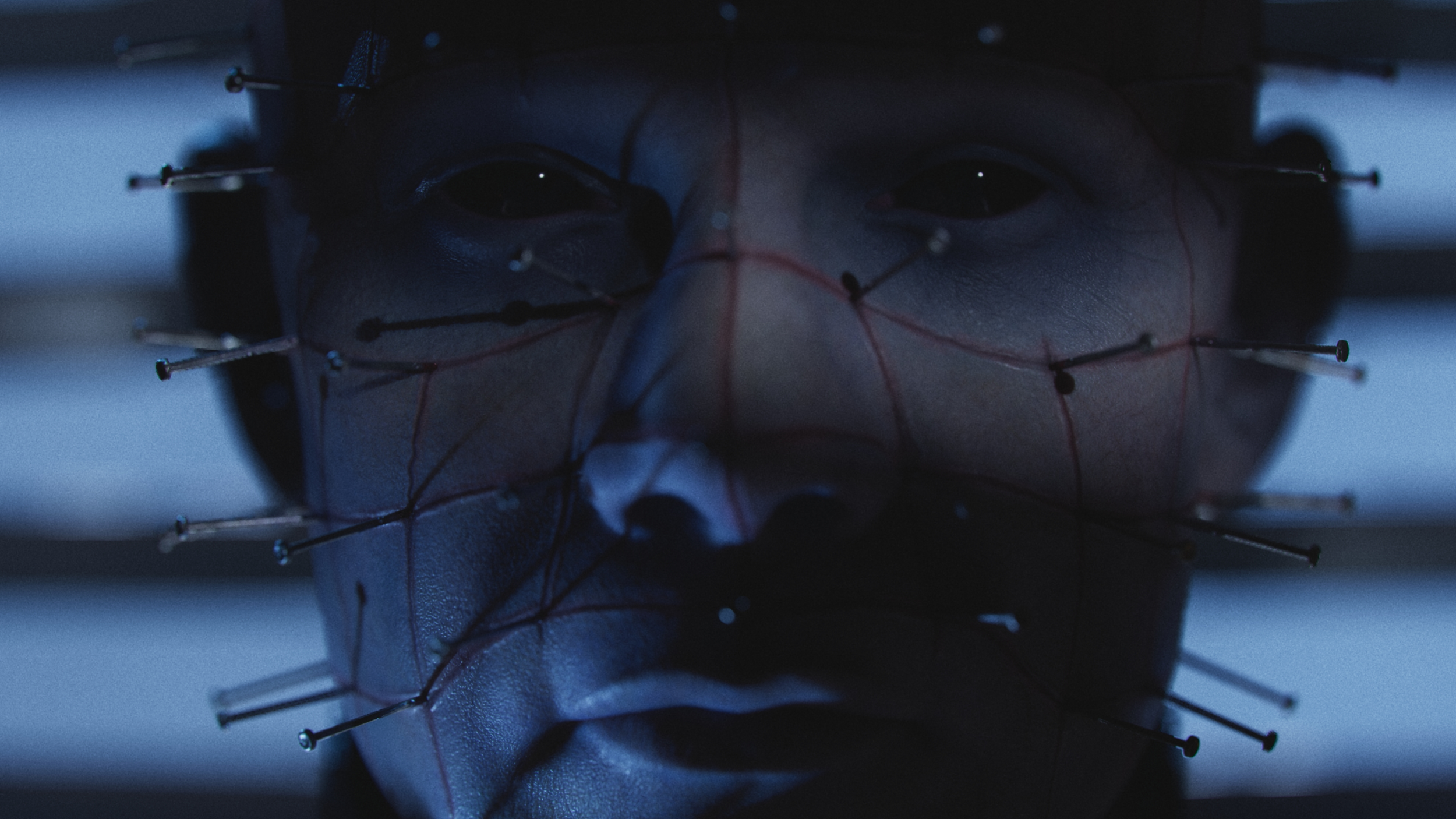
Image: Hellraiser: Revival - Pinhead
Even though there's one too many chases, Saber does try to catch you off guard by throwing in mind-bending story sequences and rapid fire puzzles that can be a little finicky. But most importantly, the first chase was incredibly memorable, as you sprint through identical corridors and quick turn to avoid him as he keeps materialising in front of you. But it's the sound design that gets you. As his chattering teeth get louder and louder as he closes in.
But thankfully, Saber understand this, and includes other segments based on the sensibilities of the other Cenobites. You can even upgrade Aidan's health and suffering meters by finding gross worm-like pods. Or venture into a tense P.T. inspired looping house sequence, where things change as you interact with them. It really is impressive the amount of variety Saber have managed to include in their first foray into the Hellraiser universe.
Hellraiser: Revival also borrows horror staples to enhance player choice. It limits the amount of money and treasures available to find, so that when you locate a trader, you'll have to carefully select what to purchase. You can choose to buy new firearms, strong melee weapons, lock-picks, repair kits, recipes to craft ammunition or medical kits, or buy weapon upgrades to improve your firearms. Choices that can make the difference when gearing up for a longer interconnected level, or to fight a dangerous boss.
One of my favourite sections was when Hellraiser: Revival split into a continuous longer level where you explore multiple smaller areas. As each zone presented a different challenge and horror experience. One replicates the slower exploration and puzzles in classic Resident Evils where the map is useful, and another the horror action in recent first-person Resident Evils. But I did find the Call of Duty zombies wave style encounter only works up to a point. As I quickly exhausted all of my ammunition and had to guide monsters around a very small space.
Despite this, I enjoyed my time with the combat and stealth based gameplay. It surpasses what I'd expect from a first attempt at building out a recognised IP into a survival horror game. While Hellraiser: Revival does contain some repetitive mini bosses that can be easily dispatched when you unlock even more powerful abilities for the Genesis Configuration.
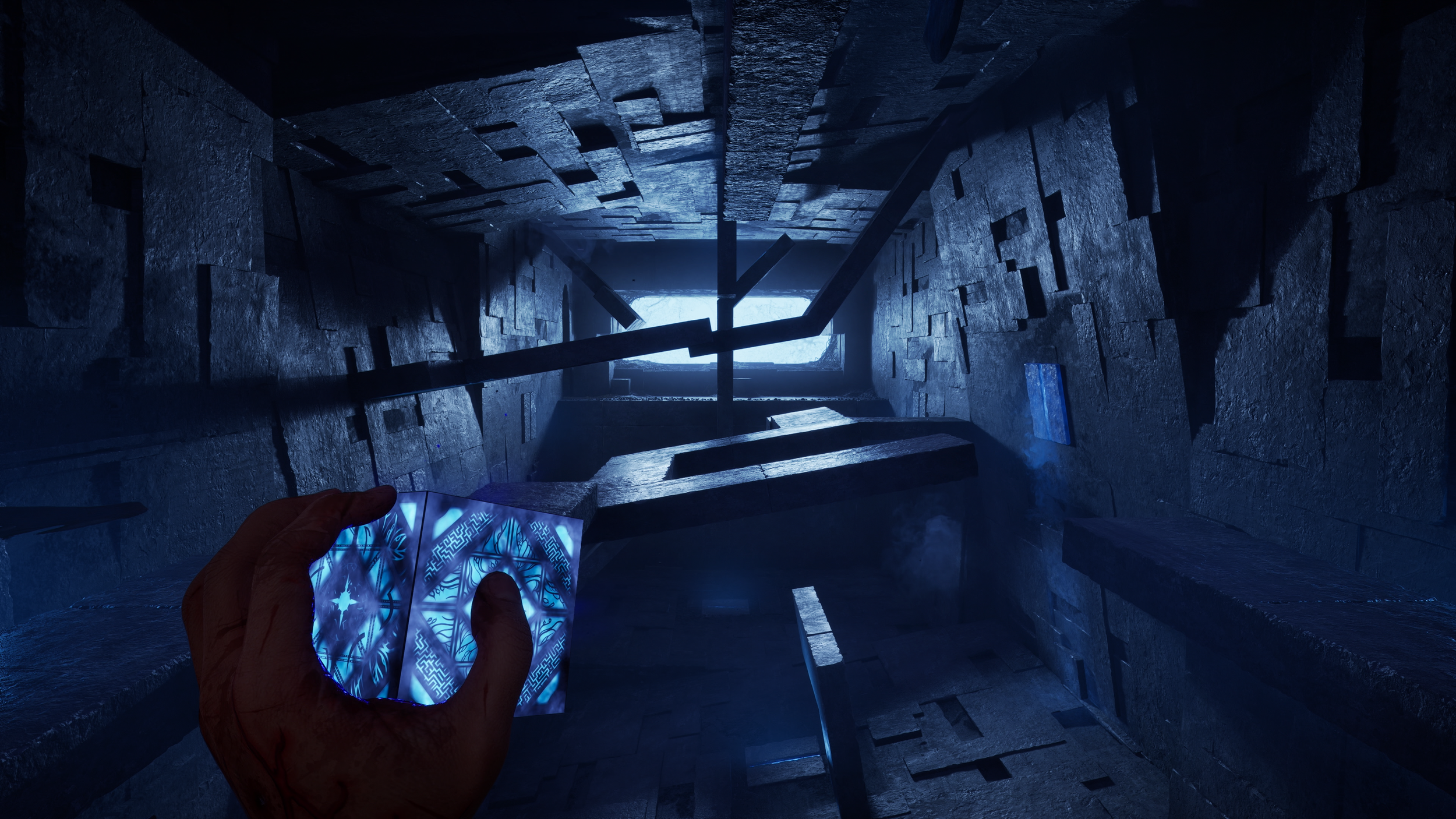
Image: Hellraiser: Revival - Labryinth
For a lower priced title, Hellraiser: Revival has impressive visuals and art direction. The core visuals from the movies are in tact, as Pinhead, his Cenobites and their realm, the Labyrinth are presented exactly as you'd expect. Everything is mysterious and grotesque. But it's the decision to bring back Doug Bradley as Pinhead that series fans will adore. As his iconic voice lends an authenticity to the world of Hellraiser: Revival.
But I'd be remiss if I didn't mention the multi talented game dev and voice actor, Xalavier Nelson Jr as Aidan Lynch. After his performance in his studio's title, El Paso Elsewhere, it was a pleasant surprise to hear him take on the lead role in another title. While some of the cult villains feel appropriately over the top, the Cenobites are note perfect and put you on edge, as you never know what they're going to do to you next.
Although, the original story and new configuration do suit the Hellraiser universe, I did find the writing to vary between good and serviceable. But half the time it didn't really matter, as Saber nail the themes and symbolism of the world through the visual design and frequent flashbacks to develop Aidan and Sunny's relationship. They clearly respect and understand the source material by creating another psychosexual horror that explores taboos and hedonism. Where Cenobites see no difference between the heights of pleasure and pain, and how important it is to continue the allegories of sexuality and topics like addiction.
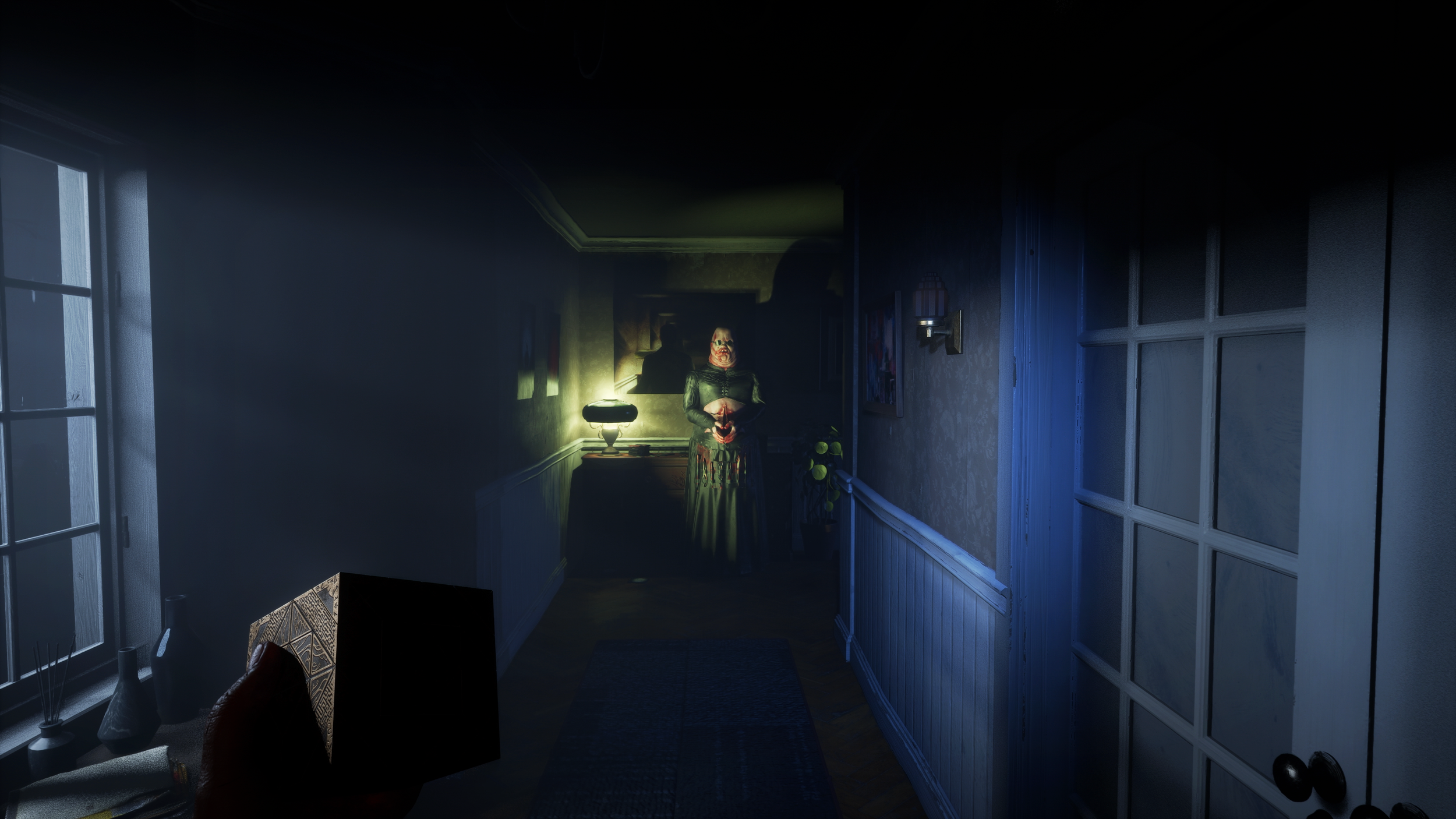
Image: Hellraiser: Revival - House
It also has an atmospheric score which creates distinct tones between the different levels from a sewer, a club, and the Labyrinth. Yet as with all horror games, the sound design is vital in delivering a terrifying experience. Thankfully, Hellraiser: Revival doesn't overly rely on jump-scares, it favours building tension, extreme gore, nudity, and psychological horror. And combat encounters and violent cutscenes are appropriately punchy and fleshy sounding when dealing damage to nightmarish creatures.
For a series synonymous with dissolving the boundaries between transgressive sensory experiences, Hellraiser: Revival follows this to the letter. Saber have created a great first venture into Clive Barker's Hellraiser universe. Although it has some rough edges, the moment-to-moment gameplay is a fun survival horror experience that I hope gains traction with horror fans.
*Review Code Provided By Publisher