Review - The Drifter
Growing up playing LucasArts classics Grim Fandango and the Monkey Island series, and others like The Longest Journey and a local favourite in the Broken Sword franchise, I will always have a fondness for point and click games. Every so often I make a point to check what upcoming games are releasing in this overlooked genre and I'm certainly glad I do.
In the last decade or so, the genre has verged into the more mainstream cinematic character and choice driven adventure games by Telltale and Supermassive Games - more cinematic and less puzzle based. As much as I enjoy and hope to see more cinematic narrative games, I am always happy to see a classic point and click adventure, whether that's pixelated or another art style, and this is where The Drifter comes in - a game true to the spirit of the LucasArts classics with plenty of modern twists. But can it live up to them?
Developed by Powerhoof, a small indie studio in Melbourne, Australia, The Drifter sees you control Mick Carter, who witnesses a squad of high-tech soldiers murder someone right in front of him, and pays the price with his life, but finds himself somehow resurrected seconds before his death. I won't spoil the central conspiracy that unfolds at the heart of the story, but if you love pulpy sci-fi thrillers reminiscent of John Carpenter and Stephen King, you're in for a treat.
The gameplay loop is similar to all good point and click adventures, in the best ways: you talk to intriguing characters, some you'd definitely not want to meet; explore well thought out environments, collect and combine items, and solve logical puzzles. But as a big fan of the genre, I know if one element doesn't pull its weight, it could all backfire. Luckily, all of my concerns were put to rest within the first minutes of playing. Although, the traditional mouse controls remain, Powerhoof developed an intuitive control scheme for controller and Steam Deck users - a great twin stick system that allows you to cycle around to every selection point in a scene. It felt natural to use, and I hope it can become a standard controller scheme in future point and click games going forward.
Most of my playtime was spent using the Steam Deck - a device perfect for these games - and it ran flawlessly.
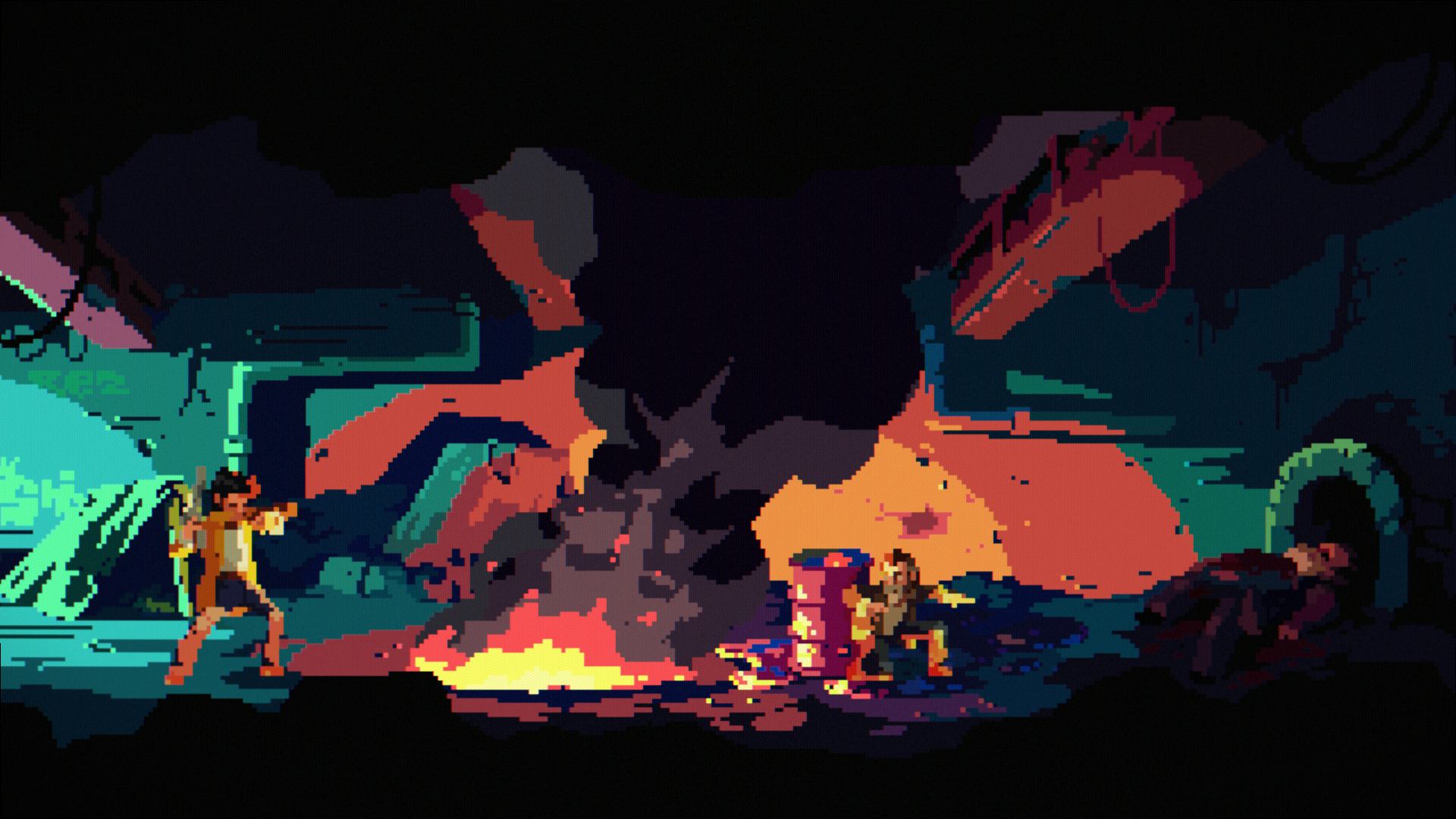
Image: The Drifter - Detective - Powerhoof
However, it's the puzzles people really care about, and right from the off, Powerhoof really nailed them. Often times, older games would leave you scratching your head for a solution to nonsensical puzzles that required the use of shoehorned objects and a gigantic leap in logic to solve. Whereas, The Drifter strikes a deft balance between difficulty and logic. Everything made sense and rewarded logical thinking and a keen eye on the environment and story.
But personally, what draws me into an adventure game is the strength of the story and characters, to the extent where I can even overlook a few bad puzzles. This is the area where The Drifter excels. The story hits the accelerator in the first minute and doesn't stop until it reaches a satisfying conclusion. It's protagonist Mick Carter is complicated, using a wonderful mix of Australian wit and dry honesty to endure the continuous hits that keep coming as his past unfurls around him. The highest compliment I can give, is that he feels realistically drawn as a man returning home, struggling to cope with his own trauma, that impacts his every decision whatever the consequences. It's this and the great pacing that let me develop and understanding for why he makes his decisions, even if you don't always agree with him.
And like the greats of the genre, Guybrush wouldn't be anything without an Elaine or a Murray, and The Drifter is no exception. Mick wouldn't be half as interesting without a cast of interesting characters, to challenge and support him. From an inquisitive journalist, zany scientists and family members with a shared past. All have their own interesting motivations that enhance the plot.
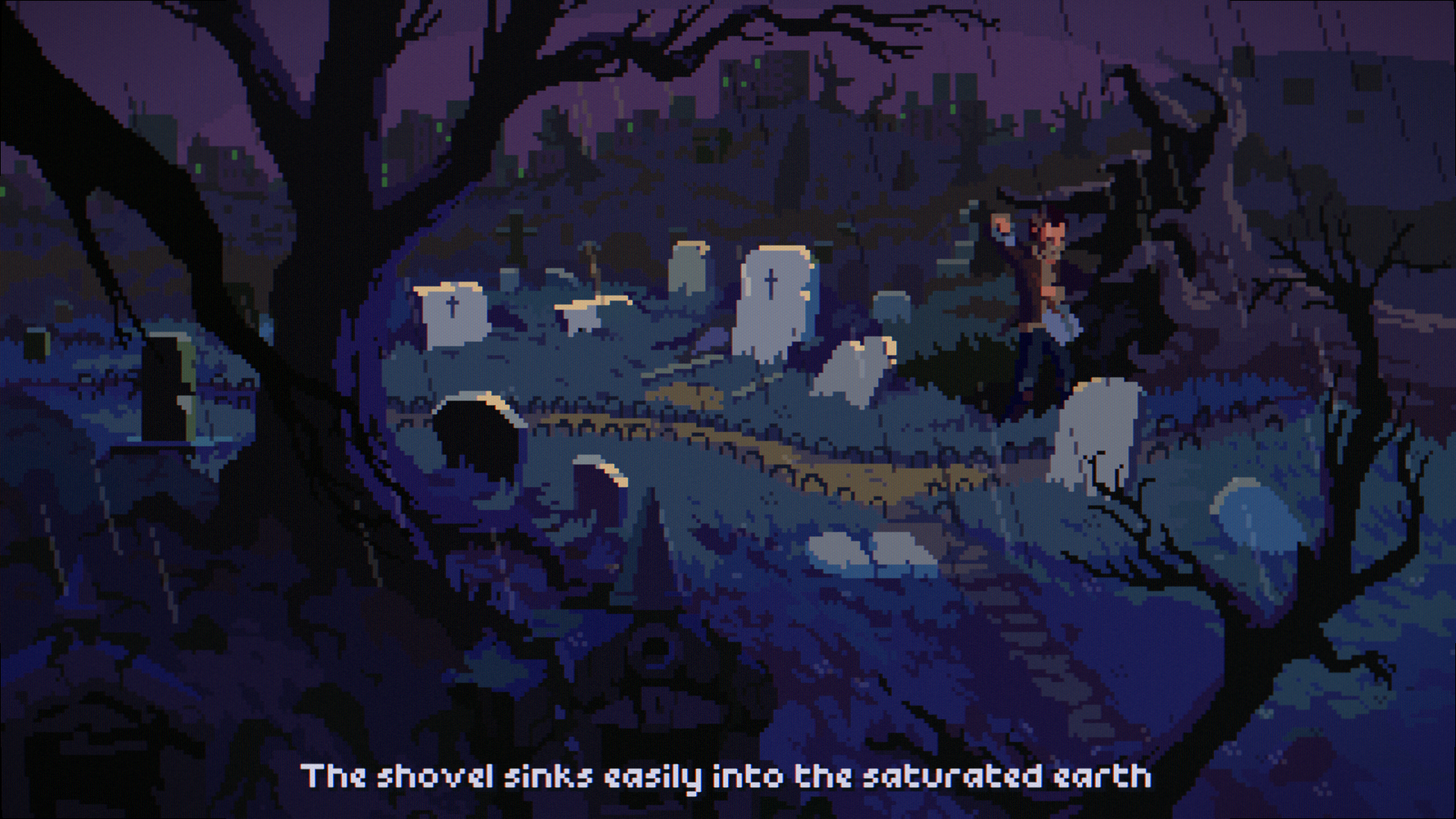
Image: The Drifter - Cemetary - Powerhoof
Although the superb writing colours in the characters, it's the full voice cast that truly brings them to life. The voice acting is rich and layered, comparable to a production with a much larger budget. None show this more than Andrian Vaughan who voices Mick Carter. He does an exemplary job of bringing a gravitas to a character of complex emotions and deep vulnerability - a performance matched every step by every other actor, as well. These performances are also enriched by the game's score - a phenomenally impactful composition that evokes dread, thrills and the plot's mystery at every turn.
I can't finish the review without touching upon the striking visuals you can see in this video. The devs have made a pixel perfect reinvention of the classics. Deeply detailed and colourful, each new environment goes effortlessly from gritty and tense, to a grounded sci-fi with a dash of horror. The lighting also enhances the few moments of Carpenter-esque horror, none more impressive than Mick firing up a flamethrower across the screen in a homage to Kurt Russel in The Thing. But these wouldn't be anywhere near as meaningful if the animation wasn't so fluid and punchy. Allowing Thunderhoof to present their own modern take on a point and click adventure.
Playing through The Drifter was nostalgic to my teenage years playing through whatever adventure games I could get my hands on. It's apparent Thunderhoof share this passion and successfully tell a mature story perfect for the genre. When a game mixes a fun story, sci-fi and influences from many movies I like, the game would've needed to be terrible for me not to find something to like. But that's the thing, The Drifter is a fantastic game in all the ways it can be. There might be little things that could be improved here and there, but I enjoyed my time thoroughly. The Drifter is an easy recommend and an indie gem that I hope people continue to find.
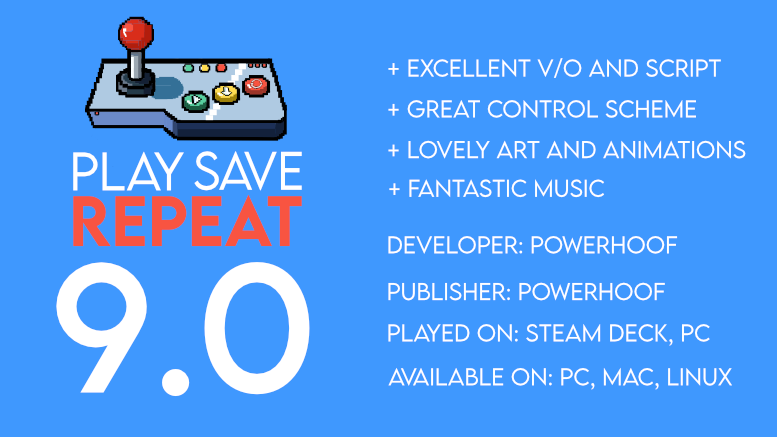
The Drifter Review Score - 9.0/10